RiverRoots: PA German Influence on American Identity

River Roots is Susquehanna NHA’s blog series featuring history from York and Lancaster Counties that showcases the Susquehanna River’s historic, cultural, and natural resources contributions to our nation’s heritage.

They came seeking opportunity, faith, and freedom, but Pennsylvania’s German immigrants left a far greater mark than they ever imagined. Pennsylvania Germans’  ingenuity shaped the tools that powered a young nation.  Discover how the Conestoga wagon and the Pennsylvania long rifle, born of Pennsylvania German skill and adaptation, helped define the way America moved, fought, traded, and even drove on its roads. Susquehanna NHA is pleased to introduce guest blog writer and curator of Landis Valley Village & Farm Museum, Jennifer Royer. Landis Valley Village & Farm Museum, part of the Pennsylvania Historical & Museum Commission, is a living history museum dedicated to preserving Pennsylvania German culture and rural heritage from 1740 to 1940.


Pennsylvania German Influence on American Identity

German speakers were the largest European immigrant group to come to Pennsylvania in the 18th century.  75,000 German speaking people came to Pennsylvania from 1683 through 1820.  The first permanent Mennonite settlement in North America was established in Germantown, Pennsylvania in 1683.  By 1790, 72% of the white population of Lancaster County was ethnic German.  Most were from Lutheran or German Reformed faiths.  Roughly 2% were Mennonites and a lesser percentage were Amish.

There were two waves of German immigrants arriving in 18th century Pennsylvania.  The first wave from 1708-1720 included the Mennonites and Dunkards.  The Mennonites came from Switzerland.  Dunkards came from Krefald and Wittgenstein in Prussia.  The second wave from 1720-1750 included Reformed, Lutherans, and Moravians from countries or states bordering the Rhine River.

They came to Pennsylvania to be a part of William Penn’s tolerant colony. Initially, most settled in a regional arc of available land between the first British and Scandinavian settlers in the southeast and the edge of the Appalachian Mountains. They emigrated for various reasons with many of their motivations bound up in the economics of survival and betterment. They brought central European cultural practices and spoke various German dialects.  Many pursued trades in the country or became farmers.

As the German immigrants adapted to the challenges and opportunities of Pennsylvania, they utilized tools they had brought along or resurrected and amended Old World tool prototypes. In several instances, their distinctive tool technologies and the ways they modified them had a profound effect not just in southeastern Pennsylvania, but also upon a larger part of America. They exerted influence directly through their migrations west and south. Pennsylvania Germans became the principal agents of the development and dissemination of some of early America’s most iconic technological adaptations, including the Conestoga wagon and the long rifle.

The Conestoga Wagon

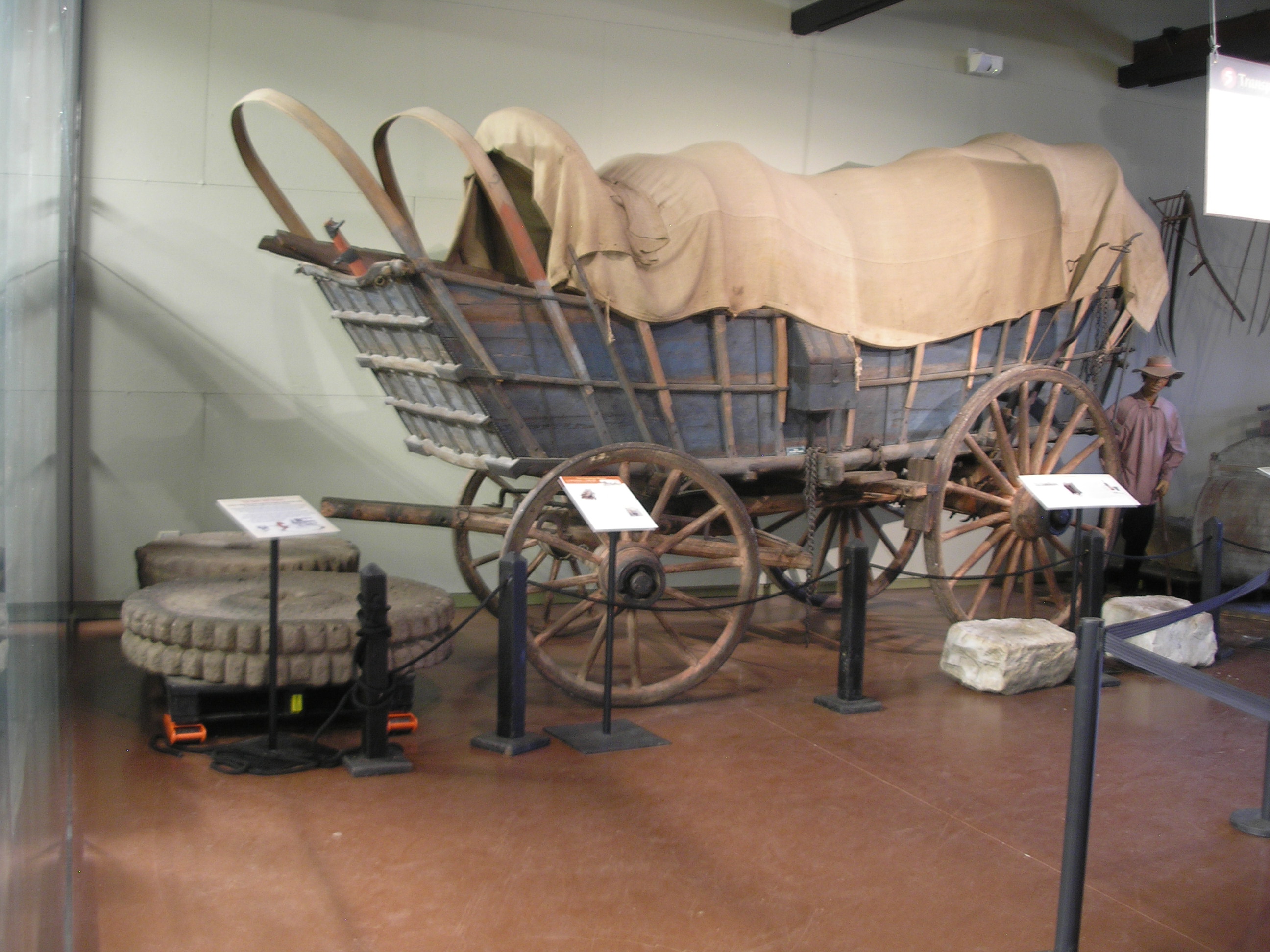
The Conestoga Wagon was a freight wagon, developed by Pennsylvania Germans to take goods from the lower Susquehanna Valley to urban markets.  The wagons were built in Lancaster County, starting before 1750, to transport agricultural products and rural-made goods over primitive roads to Philadelphia, Baltimore, and large towns. Designed as freight haulers, they compare well with the tractor-trailers of today. Fully loaded, they required 6 horses to pull them. There were no seats in the wagon bed, which was devoted entirely to cargo such as barrels of grain or flour, cured meats, kegs of whiskey or cider, woven linen, hemp fiber, tanned animal skins, and lumber. For the trip home the wagon might carry imported goods or products crafted by specialized urban craftsmen.
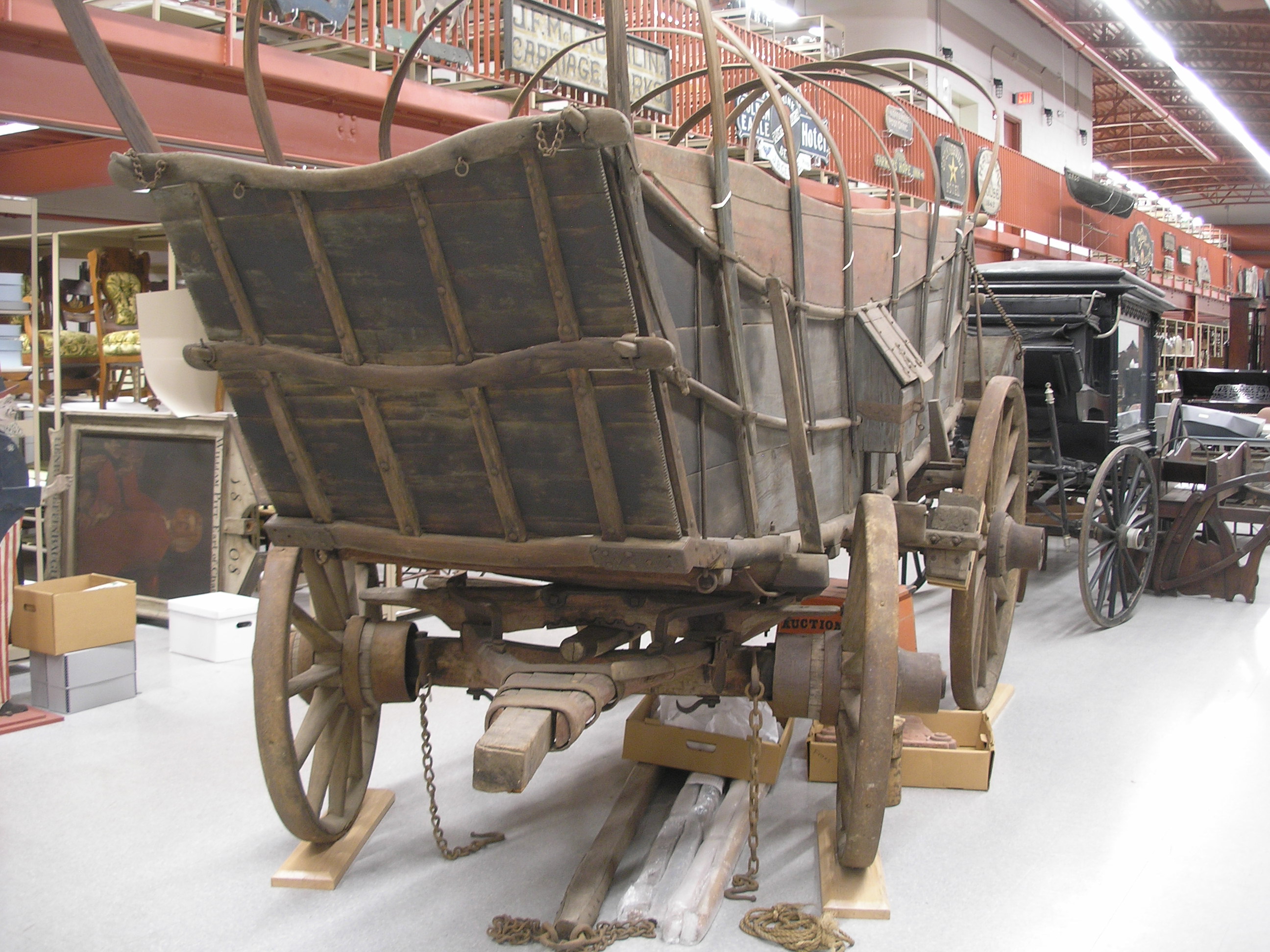
Courtesy of Landis Valley Village & Farm Museum

Conestoga wagon owners and horse breeders developed a draft animal, known as the Conestoga horse, with certain traits. They were long-legged, sturdy in the chest with short arching necks, calm in disposition, and tended to be black. They were highly regarded for their strength, speed, endurance, and muscular flesh. Their exact bloodlines were forgotten by the mid-1800s, and they never reached the point of a true separate breed. They were known through the Northeast Region as very valuable and desirable horses, raised by Pennsylvania German farmers, who fed them an especially rich diet of grains. Along with the disuse of the Conestoga wagon, they were allowed to die out.

For over a century, Conestoga Wagons were the lifeline of inland commerce, inspiring the first turnpike in 1794 and resulting in the creation of improved roads, such as the Great Wagon Road. Also, the number of taverns, blacksmiths, and horse-watering places increased along these routes with the opportunity to profit from wagon drivers’ needs. Conestoga Wagons were eventually replaced by faster and more efficient railroads and canal boats in the 1850s.

Conestoga Wagons were not prairie schooners, but their design did influence the smaller, lighter wagons that went out west.  They were also used as supply wagons for the Continental Army during the Revolutionary War.
Courtesy of Landis Valley Village & Farm Museum

Conestoga Wagons are the primarily reason Americans drive on the right side of the road.  The wagon driver rode the horse closest to the left wheel, walked, or sat on the lazy board—a pull-out plank that some wagons had below the toolbox. Since the tradition of German-speaking people from Central Europe was to drive a horse team from the left side, wagon makers and buyers oriented the Conestoga Wagon to that custom. The brake lever, all-purpose ax, lazy board, brake chain, and tar bucket (for axle grease) were all placed on the left side. The driver controlled the team with a single long “jerk line” running to the lead horse at the left front.  By 1795, the Philadelphia and Lancaster Turnpike Road required traffic to keep to the right.


There are also sayings within American culture that developed due to the use of Conestoga Wagons.  Conestoga horses wore sets of bells and if a wagon broke down and the driver needed help from another wagon, they would give their rescuer some of their bells as a thank you in appreciation.  “I’ll be there with bells on” meant you and your complete would be there quickly and without any problems.

Pennsylvania Long Rifle
Courtesy of Landis Valley Village & Farm Museum

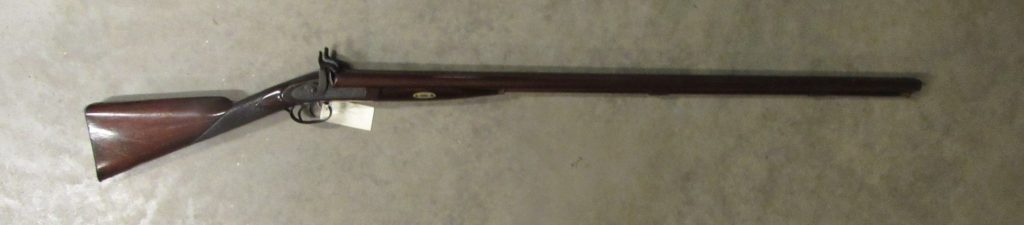
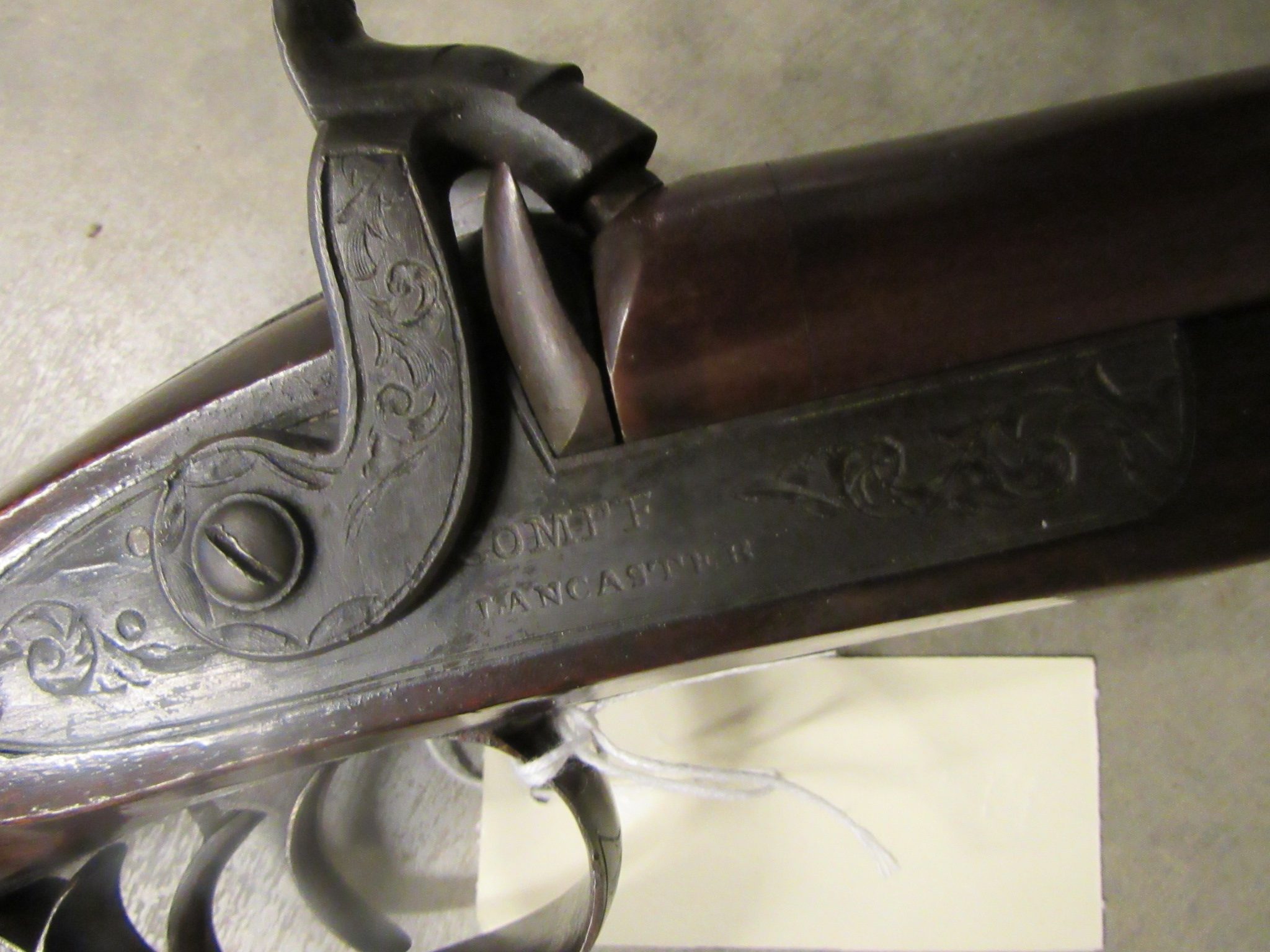
The Pennsylvania Germans also influenced the culture of America with the development of the Pennsylvania Long Rifle.  During the 1700s Pennsylvania gun makers in colonial Lancaster County developed the long rifle. Their invention—a truly American tool—won broad popularity for its accuracy, efficiency, and handsome utility. Its use spread rapidly on southern and western frontiers. By the late 1700s skillful gun makers with unique stylistic traits were creating long rifles of exceptional form and finish that constituted an American art form.

During the 1700s a convergence of factors led Lancaster County gun makers to develop the long rifle. Most of them or their families had come from Central Europe. There, they had been familiar with the jaeger or hunter’s gun—a shorter firearm—enhanced by carving the wooden stock and decorating the metal components by forging, filing, and chisel engraving. They also knew the technique of rifling the interior of the gun barrel. That process cut a spiral groove that put a spin on the fired projectile, giving it a more accurate path.

Pennsylvania’s natural resources—excellent iron ore, extensive forests, powerful streams, abundant fertile land, and bountiful game—offered a cradle of opportunity. A higher number of forges and furnaces than in any other colony turned out tough, malleable iron. Forests held both wood for gunstocks and fuel for smelting and metal working. Streams offered power for rifle makers and their material suppliers. Abundant, fertile land nurtured both native game and immigrants who wanted to cultivate the ground and put wild meat on their table.
Courtesy of Landis Valley Village & Farm Museum

Many in the Susquehanna Valley needed, and could afford, firearms better adapted to the American landscape for taking game or defending themselves and their families.  Therefore, the Pennsylvania Long Rifle was quickly adopted, and settlers spread its use south through the Appalachian valleys and westward across the Ohio River. The rifle developed here excelled in the hands of frontiersmen, and it eventually became known as the Kentucky Long Rifle, which is the incorrect name – according to those native to Pennsylvania.

Besides private use, these rifles were used during the Revolutionary War.  Gun makers, such as Jacob Dickert, secured and fulfilled military contracts to supply multiple firearms.  These contracts not only enhanced their individual earnings but also projected the reputation of Lancaster County rifles far beyond the lower Susquehanna Valley, impacting the development and expansion of America, as the Conestoga Wagon as did thanks to the Pennsylvania Germans.

Learn More

Visit the Landis Valley Village and Farm Museum to explore the influence of Pennsylvania Germans on America.

Start your journey Where History Runs Deep on our American Craftsmanship Trail. From workshops to historic industries, each stop reveals the skill, creativity, and tradition that define craftsmanship in our national heritage area!


Lecture250 Program coming to York

Susquehanna National Heritage Area (SNHA) has received a grant through America250PA’s Lecture250 program to support their upcoming presentation, “Creating an American Identity on Native Landscapes”. The funding will help us offer a free public lecture exploring the people, ideas, and events that shaped our Commonwealth and the nation.

“Creating an American Identity on Native Landscapes” will take place on October 21, 2026, at The Appell Center’s Capital Theatre and will feature a panel of speakers who will share insights to better understand the Native roots of America’s identity. Susquehanna National Heritage Area focuses on connecting stories and landscape together so we can have a deeper understanding of our past, present, and future. We are proud to partner with America250PA to bring this lecture to the public. Event details and registration are expected in early August.

“This milestone is an invitation to learn together—to engage with the stories, struggles, and triumphs that define who we are and how we arrived at this moment,” said Cassandra Coleman, Executive Director of America250PA. “The Lecture250 series is rooted in the belief that history is not something that lives behind glass. It lives in our communities, in the questions we ask, and in the conversations we share. I’m incredibly proud of Susquehanna National Heritage Area for stepping forward to facilitate this conversation and help Pennsylvanians better understand their place in our shared story.”

The Lecture250 Series will take place from April through October 2026 and will examine the forces that shaped Pennsylvania’s role in the American story—from the founding ideals of independence and equality to the development of industry, culture, community identity, and global connections. Each event will include a public discussion following the lecture to deepen civic engagement and invite community reflection. PCN will provide coverage of each lecture, allowing audiences across the Commonwealth to join the conversation.  

Awardee Organizations, Lecture Date, & Lecture Theme

*Lecture subjects may be refined as awardees and speakers finalize their programs

  • Eastern State Penitentiary Historic Site
    • May 27, 2026
    • Exploring historic and contemporary relationship between faith and reform in prisons
  • Friends of Washington Crossing Park
    • April 29, 2026
    • Writing and Development of the Declaration of Independence
  • LancasterHistory
    • October 7, 2026
    • Exploring PA’s central role in shaping our ideals of liberty & equality from the Revolution through Reconstruction
  • WVIA (Northeastern Pennsylvania Educational Television Association)
    • April 8, 2026
    • Historic Industries of PA
  • Pennsylvania Humanities Council
    • August 12, 2026
    • Highlighting PA’s laws around freedom and slavery when the founding documents were being written
  • Senator John Heinz History Center
    • September 16, 2026
    • African American History
  • Susquehanna National Heritage Area
    • October 21, 2026
    • Creating an American Identity & Native Landscapes
  • World Affairs Council of Philadelphia
    • September 2, 2026
    • Greater Philadelphia’s Place in the World: Labor, Business, and Global Connections

For more information about the America250PA Lecture250 Series, please visit  https://america250pa.org/PPE:_Lecture250.

Riverfest 2026 to Ignite the Susquehanna with Full Weekend of History, Music, Tours, and Fiery Sunday Finale

Columbia – Wrightsville, PA — The Susquehanna River’s most dramatic history celebration returns June 26–28, 2026, as Riverfest brings together dozens of heritage organizations, immersive tours, outdoor recreation, live music, and a breathtaking re-creation of the burning of the Columbia-Wrightsville Bridge during the Civil War.

Presented by Susquehanna National Heritage Area (SNHA), Riverfest commemorates the heroic actions of local residents who burned the covered bridge spanning the Susquehanna River in June 1863 to stop Confederate troops from crossing into Lancaster County and advancing toward Harrisburg and Philadelphia. Just days later, the Battle of Gettysburg began.

This year’s expanded festival schedule includes boat tours, walking tours, African American history experiences, Underground Railroad programs, live music, family activities, river recreation, and America 250-themed programming throughout Columbia, Wrightsville, Marietta, and surrounding river communities. The full schedule is available at RiverfestPA.com.

The spectacular finale takes place Sunday night, June 28, when all 26 historic bridge piers across the Susquehanna will be lit ablaze in an unforgettable spectacle beginning at 7:45 PM. Thanks to the Louise Steinman von Hess Foundation’s generous support, this will be the first time all 26 bridge piers have been lit simultaneously since the 150th anniversary of the Civil War in 2013.

Also, for the first time in years, the entire Veterans Memorial Bridge between Columbia and Wrightsville will be CLOSED TO VEHICLE TRAFFIC and opened exclusively to pedestrians, so visitors can walk directly above the fiery line of bridge piers. Thanks to the Columbia Water Company and John Klinedinst for their sponsorship of the Bridge entrances and our safety and traffic teams on both sides of the bridge.

Festival organizers are urging the public to plan ahead and arrive early for the Sunday evening finale due to expected crowds and bridge closures. “This is one of the most unique historic commemorations in Pennsylvania,” said Hope Byers with the Susquehanna National Heritage Area. “There are very few places in America where you can stand on a bridge at night and witness an entire line of historic bridge piers illuminated by fire across a major river. It’s an emotional, powerful experience that connects people directly to the events of 1863.”

Sunday evening viewing opportunities include:

  • The Riverfest Ignite Finale at the John Wright Restaurant lawn with live music and fire performances.
  • The Columbia 300th Light the Night Watch Party at Columbia River Park.
  • Pedestrian-only access across the Veterans Memorial Bridge for up-close viewing of the blazing piers.
  • The Burning Bridge Bash VIP Party overlooking the river from John Wright Restaurant’s River Room. Exclusive to 100 people with a fiery cocktail and appetizer menu.

Additional weekend highlights include:

  • The Bridge Burner Challenge Run & Paddle Race.
  • River Recreation Expo featuring 20+ vendors and demonstrations to connect you to all the outdoor opportunities in our region!
  • Flames Across the Susquehanna Boat Tours departing daily from SNHA’s Zimmerman Center for Heritage.
  • Underground Railroad van tours and reenactments with the African American Historical Society of South Central Pennsylvania and Bethel AME/Living the Experience.
  • Historic Mifflin Farm tours with Susquehanna National Heritage Area.
  • Columbia and Marietta walking tours from the Mount Bethel Cemetery, Historic Preservation Trust of Lancaster, and Rivertownes PA USA.
  • Civil War presentations and museum experiences from Historic Wrightsville Incorporated, Columbia Historic Preservation Society, and Columbia 300 Committee.
  • America 250 anniversary programming celebrating the Susquehanna River’s role in shaping the nation.

Most events require advance registration, and several experiences are expected to sell out. For tickets, schedules, and event details, visit RiverfestPA.com.

Riverfest is possible through the dedication of SNHA, our heritage partners, and our sponsors. The financial and creative support of Wright’s Ferry Mansion, the Louise Steinman von Hess Foundation, John Wright Restaurant, and the Lancaster County Solid Waste Management Authority was critical to the amazing expansion of programming for 2026. We would also like to thank Brightspeed, CPRS Physical Therapy, WellSpan, and Discover Lancaster for their support.

About SNHA

Susquehanna National Heritage Area (SNHA) uses storytelling, place-based interpretation, and strategic partnerships to deepen people’s connection to the region. Rooted in deep expertise and a profound connection to the land and river, we help residents and visitors navigate the rich, layered, nationally important stories that shape Central Pennsylvania. We steward the legacy of this region so that what we’ve learned can impact generations to come.

In addition to our regional work, SNHA operates three visitor sites in the region. The Zimmerman Center for Heritage is a colonial riverfront museum in York County highlighting the river’s influence on our culture over centuries, from Native American lifeways to modern inspiration for artists. Columbia Crossing River Trails Center is an outdoor recreation hub on the riverfront in Lancaster County, offering youth programs that connect children to the natural and cultural history of the river. SNHA’s historic Mifflin Farm in Wrightsville, York County, has been recognized as a National Park Service Network to Freedom site. The site’s rich history related to the Underground Railroad and Civil War is shared through guided tours available on a limited basis.


Media Contacts


Megan Salvatore                                                        Peter Miele

Interim Director of Visitor Engagement                   Senior Project Leader

Susquehanna National Heritage Area                     Susquehanna National Heritage Area

msalvatore@susqnha.org                                        pmiele@susqnha.org
717-449-5607                                                              717-252-0229 ext 107

INFERNO SPONSORS

BLAZE SPONSORS

Mifflin Project Update – May 2026

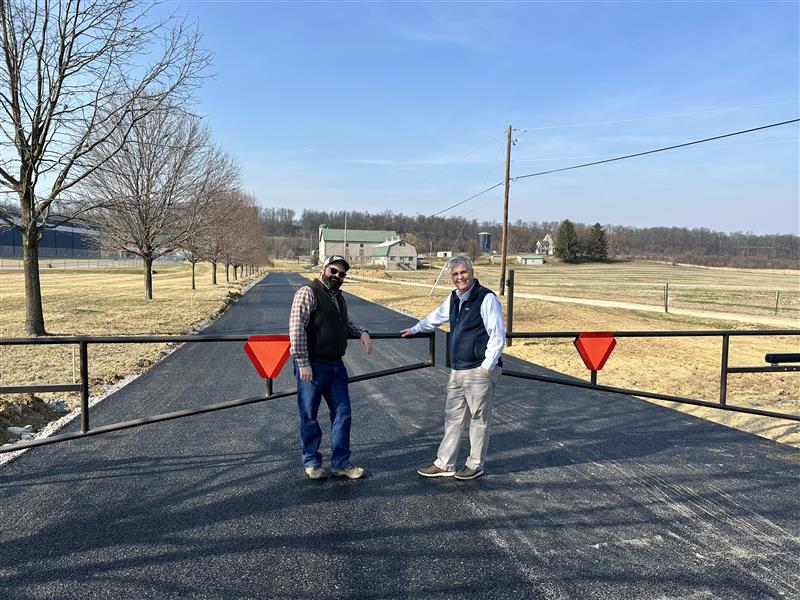
Yesterday, I had the pleasure of speaking with six individuals or groups who are interested in visiting the Historic Mifflin Farm this season. As the weather warms, people are looking to get out and explore. This means our summer visiting season is fast approaching! Living with this project every day, I’m excited to see that the historic property is continuing to grow into a place where history is not just preserved, but actively experienced. The winter was cold and snowy, but it gave the team a chance to plan, both for the upcoming visitor season and long-term site development.

We are deep into preparing for the rehabilitation of the historic Mifflin House as an Underground Railroad Learning Center and the construction of our initial trails system. While we are eager to see these two components complete, we recognize that we are stewards of this property and need to treat it with the utmost care. That means understanding the history of the site before beginning any alterations. Working with John Milner Architects and the Urban Heritage Partnership through the winter, we engaged in a Historic Structure and Cultural Landscape Report. The Historic Structures Report has provided a clearer picture of the way the house looked during its period of significance (1800-1863), along with deeper insight into the people who lived and passed through it. As we move through the rest of 2026, we will be working with architects and engineers to develop plans to responsibly transform the house into a place of learning and reflection.
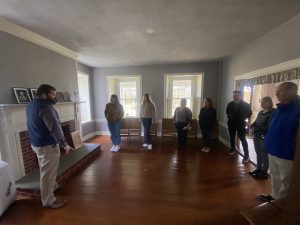
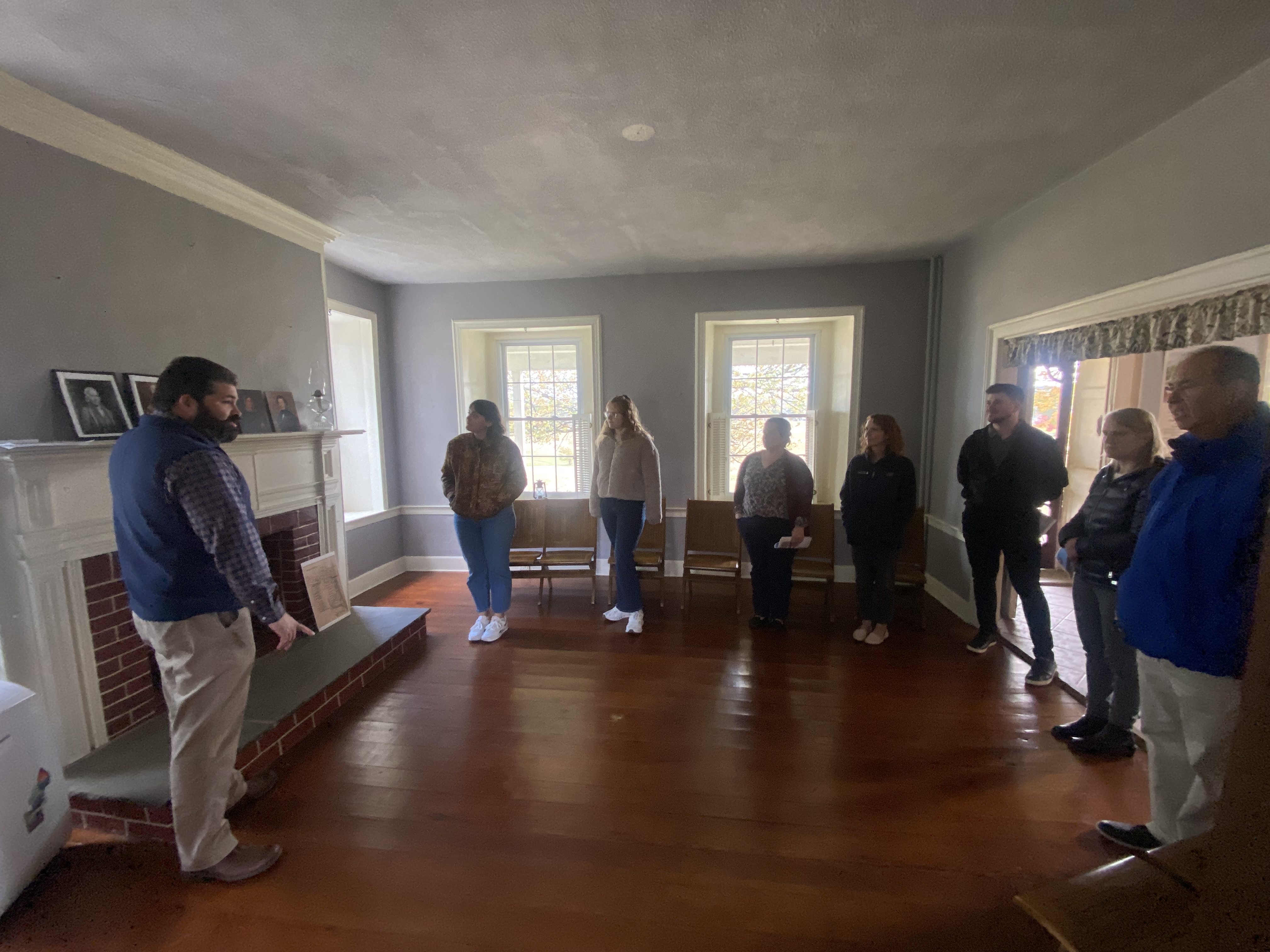
But you won’t have to wait until this work is complete to learn about some of our recent findings! The Historic Structures Report has provided a deeper understanding of the Black indentured servants who lived in the Mifflin home. Better awareness of public and private spaces of the house is helping us envision where these men and women likely slept and worked. This revelation, of course, also adds a layer of complexity to the Quaker antislavery experience.  This research is already helping us create an enhanced house tour for this summer, one that connects the physical space more closely to the human stories at its center.

Outside the stone walls of the house, we’re also adding new layers of interpretation across the property. This summer, we will install three new wayside exhibits, based on the Cultural Landscape Report. Guests will soon be able to learn more about the original log home, erected before the Mifflins moved to the property, and has since been torn down. Visitors will also discover the agricultural significance of the farm and the people who worked the property over the last 225 years. We are also working with Vision Solutions of York and Friends of Lebanon Cemetery to develop a new augmented reality tour of the core historic farmstead. On this tour visitors will meet historic figures and learn about the functions of the farm buildings. Taken together, these improvements will help guests better understand how the land itself functioned over time.

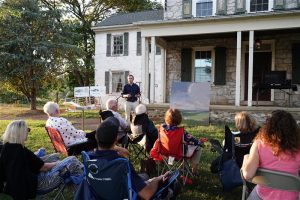
We can’t do all this work alone! Over the past year, we’ve expanded programming alongside both longtime and new collaborators. A Juneteenth Commemoration, developed in partnership with Pennsylvania DCNR and regional partners, will offer an immersive experience rooted in the site’s Underground Railroad history. Participants will move across the farm on foot and the Susquehanna River by boat, following the same paths once taken by freedom seekers. We will host our second year of “Lectures on the Lawn,” inviting local speakers to discuss topics that tie directly with the stories of the Mifflin Farm. And during our annual Riverfest event, we will host our inaugural “Fields of Fire” event, complete with live music and food trucks. Bring a chair or a blanket and enjoy the landscape as the sun sets to the west.

These efforts reflect steady, intentional progress. Step by step, Mifflin Farm is becoming a place where the landscape, the buildings, and the stories all work together—inviting visitors not just to learn about the past, but to encounter it in a meaningful way. We are thankful you are on this journey with us.


Ringing in 250

Susquehanna National Heritage Area (SNHA) is inviting youth and families to take part in Ringing in 250: Stories from the Susquehanna, a hands-on art program celebrating the upcoming 250th anniversary of the United States.

As part of the nationwide America 250 and Pennsylvania 250 commemorations, this interactive initiative encourages participants to reflect on how everyday experiences, traditions, and places in York and Lancaster counties connect to the larger American story. Through art, participants will help tell a shared story of identity, history, and community.

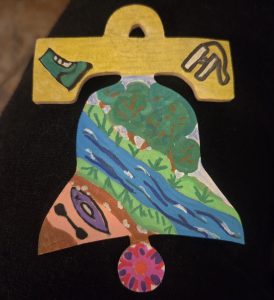
Bells have long been used to bring people together and mark important historical moments. In this program, participants will decorate wooden bell cutouts to represent meaningful people, places, or traditions from their own lives. Each bell will be accompanied by a short artist statement, allowing participants to share the story behind their design.
Community members can stop by the Columbia Crossing River Trails Center or the Zimmerman Center for Heritage during regular business hours to create their bells. Finished bells will be displayed at Columbia Crossing throughout the summer, forming a growing, community-created exhibit. SNHA will also bring the project on the road to festivals, school programs, and outreach events across the region.

“Big national stories are built from everyday experiences in places like York and Lancaster counties,” said Sophia Vayansky, Program Manager. “The Susquehanna River has long connected people, ideas, and traditions. This project gives people of all ages a chance to reflect on what history means to them and contribute their voice to a shared commemoration.”

SNHA aims to collect at least 250 bells by the end of the year, with the goal of helping participants make meaningful connections between local stories and broader national history. This free, drop-in activity is open to all ages and requires no prior art experience.

For more information, visit email programs@susqnha.org or stop by Columbia Crossing to see the growing display.

Landmark Sponsorship will make a historic Riverfest Finale

Louise Steinman von Hess Foundation Makes Historic Riverfest Finale Possible with Landmark Sponsorship

The Susquehanna National Heritage Area (SNHA) is proud to announce a transformative sponsorship from the Louise Steinman von Hess Foundation supporting the illumination of all 26 bridge piers of the Columbia–Wrightsville Bridge on June 28, 2026, as the grand finale of Riverfest 2026. This dramatic lighting will commemorate the Civil War burning of the world’s longest covered bridge and mark our region’s place in America’s national narrative.

Thanks to the Foundation’s generous support, this will be the first time all 26 bridge piers have been lit simultaneously since the 150th anniversary of the Civil War in 2013. In prior years, SNHA and its heritage partners were only able to illuminate three piers at a time for Riverfest. Lighting the full span heightens the scale and emotional power of the historic event and creates a breathtaking river-wide spectacle visible across both river communities.

Riverfest commemorates the June 1863 burning of the Columbia–Wrightsville Bridge, when outnumbered Union troops and local volunteers set the wooden covered bridge ablaze to prevent Confederate forces from advancing east into Lancaster County. The action halted the invasion and forced Confederate troops to retreat west. Just two days later, those Confederate forces clashed with Union forces at the Battle of Gettysburg.

“In early 2025, we had begun to plan for this historic year and hoped to find the support to create this breathtaking experience of lighting all the bridge piers,” said Sophia Vayansky, Program Manager for Susquehanna NHA. “It’s no easy task to prepare all the piers, load the wood, and light them simultaneously. We are deeply grateful to the Louise Steinman von Hess Foundation for their extraordinary generosity and vision. Their support allows us to honor this pivotal moment in American history at the scale it deserves.”

Executive Director Jim Abbott stated, “The Louise Steinman von Hess Foundation is honored to support Riverfest 2026 through the illumination of the Susquehanna’s 26 historic bridge piers.  The Board of Trustees and staff of Wright’s Ferry Mansion join SNHA with great pride in celebrating the rich, diverse history of this region.” The 2026 Riverfest celebration takes place during a landmark year of anniversaries: America’s 250th anniversary and Columbia’s 300th anniversary. To mark the moment, Susquehanna NHA has expanded programming and one-of-a-kind heritage experiences that connect local stories to the larger American narrative.

The counties of Lancaster and York hold a special place in the nation’s founding. The Continental Congress met in York for nine months, where it ratified the Articles of Confederation. Lancaster’s economy and skilled craftspeople supplied critical materials for the Revolutionary War. But this anniversary isn’t just about a moment in time; it’s about American identity and its legacy.

The lighting of all 26 bridge piers will serve as a powerful visual tribute to courage, sacrifice, and community action. The Susquehanna National Heritage Area extends its sincere gratitude to the Louise Steinman von Hess Foundation for making this historic moment possible and for its continued commitment to preserving and sharing the region’s heritage.

Riverfest will take place on June 27-28, 2026, along the Susquehanna River in Columbia and Wrightsville. The public is invited to gather on the river on Sunday evening for the lighting of the piers. Check susqnha.org or riverfestpa.com for more information.

About Louise Steinman von Hess Foundation

The Louise Steinman von Hess Foundation is responsible for the scholarly restoration of the Columbia-sited historic house museum Wright’s Ferry Mansion, and it oversees the Museum’s ongoing preservation and administration, as well as the formulation of public engagement through various educational endeavors. Built in 1738 by English-born Quaker poet Susanna Wright, WFM focuses on furnishings and decorative arts predating 1750; it is the only Pennsylvania house museum furnished to exclusively represent the first half of the 18th century.

The Foundation also oversees a fine and decorative arts collection representing the life interests of the museum’s founders, Richard C. and Louise Tinsley Steinman von Hess in the Museum’s neighboring Cottage.  Additionally, there is the Richard C. von Hess Library and Archive that concentrates on regional history as well as European and American fine art, architecture, and design.

Founded in 1973, the Louise Steinman von Hess Foundation is based in Columbia, Pennsylvania.  For more information:  www.wrightsferrymansion.org

About SNHA

Susquehanna National Heritage Area (SNHA) uses storytelling, place-based interpretation, and strategic partnerships to deepen people’s connection to the region. Rooted in deep expertise and a profound connection to the land and river, we help residents and visitors navigate the rich, layered, nationally important stories that shape Central Pennsylvania. We steward the legacy of this region so that what we’ve learned can impact generations to come.

In addition to our regional work, SNHA operates three visitor sites in the region. The Zimmerman Center for Heritage is a colonial riverfront museum in York County that highlights river influence on our culture over centuries, from Native American lifeways to modern inspiration for artists. The Columbia Crossing River Trails Center is an outdoor recreation hub on the riverfront in Lancaster County. The Center also offers youth programs that connect children to the natural and cultural history of the river. Finally, SNHA has preserved the Mifflin Farm in Wrightsville, York County, which is recognized as a National Park Service Network to Freedom site. The rich history related to the Underground Railroad and Civil War is shared through guided tours available on a limited basis.

Media Contact

Hope Byers

Vice President of Visitor Engagement, Susquehanna National Heritage Area

hbyers@susqnha.org | 717-252-0229 ext 105

Partners Seek to Protect Cuffs Run in Federal Court

Partners File Arguments in Case Challenging FERC’s Decision on Cuffs Run Pumped Storage Facility

On Dec. 18, 2025, a coalition of conservation, recreation, and environmental organizations filed its opening brief with the U.S. Circuit Court of Appeals for the Third Circuit in an appeal of the Federal Energy Regulatory Commission’s decision to grant a preliminary permit for a pumped storage facility at Cuffs Run in York County, Pennsylvania. The Lancaster Conservancy, Chesapeake Bay Foundation, Lower Susquehanna Riverkeeper Association, Farm & Natural Lands Trust of York County, and Susquehanna National Heritage Area argue that FERC violated its statutory authority by granting York Energy Storage a preliminary permit and acted in an arbitrary and capricious manner. Because of these violations, this coalition asks the Court to throw out FERC’s order and the preliminary permit issued to York Energy Storage.

“FERC’s policy of granting almost all preliminary permits unless the project faces a ‘permanent legal barrier’ is contrary to Federal law, FERC’s own regulations, and basic principles of administrative law,” said Jesse Dillon, the Lancaster Conservancy’s special legal counsel. “A recent U.S. Supreme Court decision found that courts no longer have to defer to FERC’s interpretations of law. So, we asked the Court to properly interpret Federal law and reverse FERC’s decision to grant York Energy a preliminary permit.”

The coalition also argues that FERC wrongly ignored comments about how issuing the preliminary permit would harm residents, businesses, and local organizations and did not meaningfully consider public comments or assess the public interest, as required.

“For more than three decades, the owner of York Energy Storage has returned again and again with applications that cast a long shadow over this region,” said Fritz Schroeder, president and CEO of Lancaster Conservancy. “Five attempts since the 1990s have left communities and property owners in a state of uncertainty, held captive by a process never meant to be used this way. The preliminary permit system that FERC administers is designed to encourage responsible exploration. For the sake of the land, the people who call it home, and the integrity of the process itself, this preliminary permit should be overturned.”

“It is inexcusable for FERC to rubber stamp a preliminary permit and dismiss the impacts of that permit on the Susquehanna River region,” said Ted Evgeniadis, Lower Susquehanna Riverkeeper. “Over 1,000 comments from stakeholders, including farmers and homesteaders who feed our communities, went unheard. We are encouraged by the wide-ranging support we are receiving from partners, elected officials, neighbors, and the broader community to halt this project and ensure that Cuffs Run is protected, forever.”

The U.S. Circuit Court of Appeals for the Third Circuit, located in Philadelphia, Pennsylvania, is a federal court that reviews actions of federal agencies like FERC that impact residents in Delaware, New Jersey, Pennsylvania, and the U.S. Virgin Islands. The partners hired appellate counsel from Clement & Murphy, PLLC, to appeal FERC’s decision to the Third Circuit. This firm specializes in Supreme Court, appellate, and strategic litigation, and their lawyers have argued over 150 cases before the Supreme Court and countless more in federal and state appellate and trial courts throughout the country.

2025 Year in Review at the Historic Mifflin Farm

2025 Year in Review

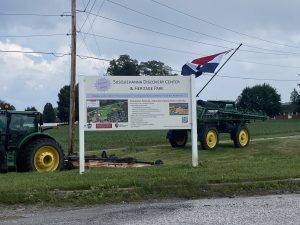
In 2025, the Susquehanna Discovery Center & Heritage Park at the Historic Mifflin Farm crossed a historic threshold. What began more than seven years ago as an ambitious preservation vision is now open and accessible to the public. Over the course of the year, careful planning gave way to public access, community engagement, and powerful affirmation from local, state, and national partners. Most importantly, the stories rooted in this landscape—stories of freedom, conscience, and collaboration—are once again being shared on the ground where they happened.


Courtesy of Department of Conservation and Natural Resources (DCNR).

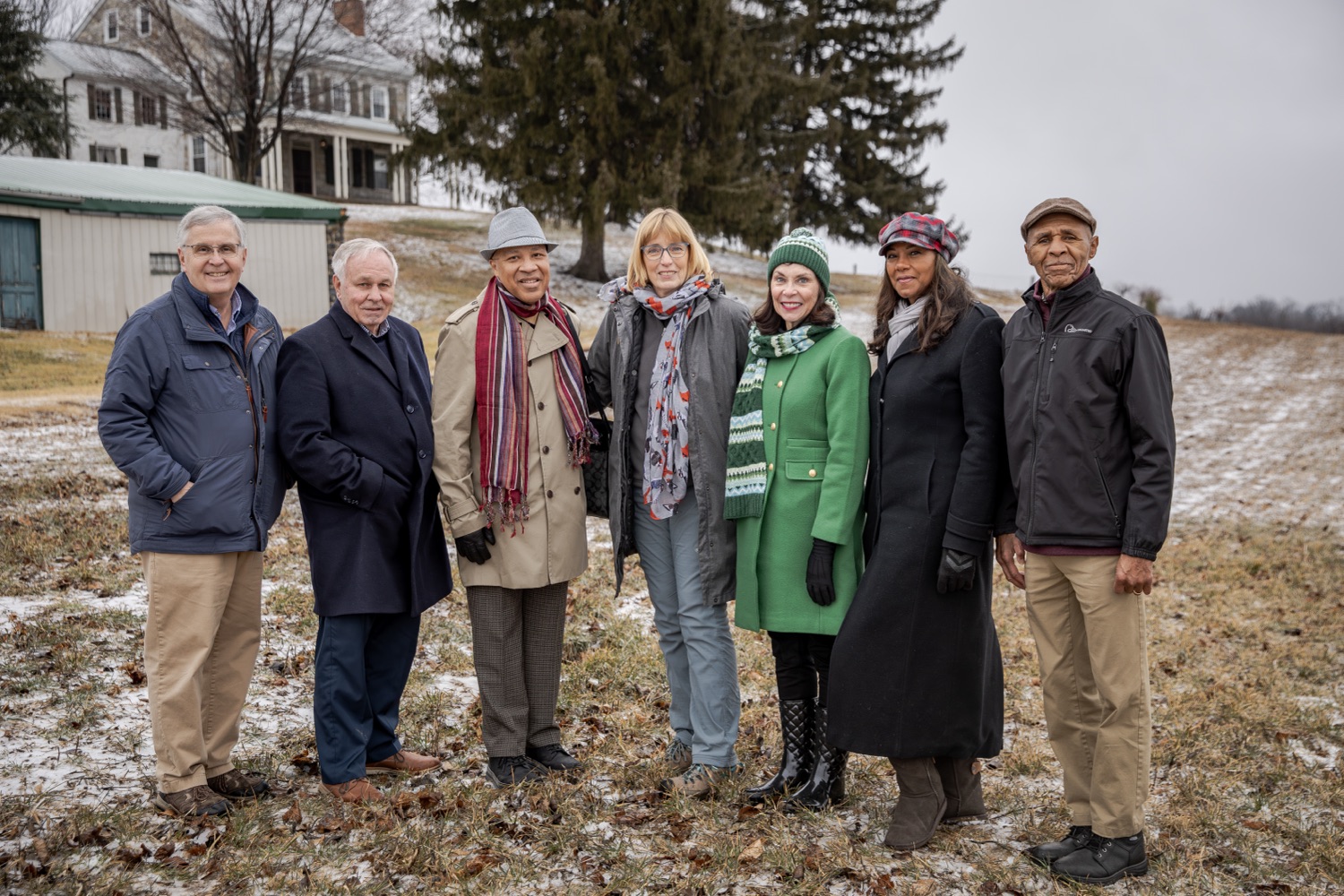
The year opened with a moment of statewide attention and reflection. In February, the Pennsylvania Department of Conservation and Natural Resources joined the Susquehanna National Heritage Area (SNHA) at the Mifflin Farm to mark Black History Month. State and local leaders gathered at the site to honor the Mifflin House as a place of refuge and safety in the early nineteenth century. The program highlighted the courage of freedom seekers and the moral conviction of those who aided them, introducing new audiences to the nationally important role this property played in the struggle for human liberty.

As part of this commemoration, SNHA announced the formation of an Underground Railroad Work Group to guide interpretation and exhibits at the Mifflin House and across the historic landscape—an early signal of the organization’s commitment to thoughtful, inclusive storytelling grounded in scholarship and community collaboration.

In the spring, planning efforts reached a major milestone. After months of public input, stakeholder meetings, and collaboration with consultants and partners, the Master Plan & Interpretive Framework was finalized and formally adopted by the SNHA Board of Directors. This plan lays out a phased roadmap for the next decade, envisioning a Discovery Center & River Art Museum, Underground Railroad Learning Center, and Heritage Park with interpretive trails. These features will create new opportunities for visitors to engage with the nationally important stories of York and Lancaster Counties.

On May 24, 2025, the Mifflin Farm officially opened to the public for the first time ever! New driveway access, parking, and ADA walkways allowed visitors to safely enter the historic house. One thousand friends visited between May and October, with one reflecting, “I didn’t even know this house existed! How amazing that it has been preserved.” In July, we kicked off our “Lectures on the Lawn” speaker series, connecting local history to national narratives. Dozens of friends joined us to learn about the connections between Wrightsville and the Battle of Gettysburg, the Underground Railroad, and the art of the Susquehanna River through these special sunset talks.

The landscape itself also opened in new ways. Students from the Pennsylvania Outdoor Corps created the first walking trail at the Mifflin Farm—the Pond Loop—giving visitors access to the interior of the site to explore its natural beauty. We also welcomed Landscape artist Spencer Verney as Artist-in-Residence, funded through the Pennsylvania Environmental Council. Verney spent three months on site, creating an original work of art blending history and place.

Local, state, and federal recognition continued to build through the year. In May, the Mifflin Farm was officially listed in the National Park Service’s Underground Railroad Network to Freedom. The York County Planning Commission added the Mifflin Farm to its Heritage Program in September. In October, the Mifflin House’s National Register nomination advanced through the review process and is currently before the Department of the Interior for approval.  That same month, SNHA received Preservation Pennsylvania’s Henry A. Jordan Award for outstanding local historic preservation efforts.

Alongside all this public engagement, equally important groundwork advanced behind the scenes. SNHA launched a comprehensive business planning process to ensure long-term sustainability, while Historic Structures and Cultural Landscape Reports were initiated to guide responsible preservation and adaptive reuse of the site.

By year’s end, the Susquehanna Discovery Center & Heritage Park stood firmly in a new phase—defined by public access, national recognition, and momentum. As we look toward 2026, we are eager to reopen the site in the spring, while planning for interpretive design, restoration, trails, and a comprehensive capital campaign.

The Mifflin Farm is no longer a story waiting to be told. It is a place where history is encountered, felt, and carried forward—and 2025 will be remembered as the year it opened to the world.


Peter Miele
Senior Project Leader
Susquehanna National Heritage Area

Mifflin Project Update
October 2025

Two weeks ago, the Susquehanna Discovery Center & Heritage Park Task Force, a group of local volunteers, met to celebrate the last year’s accomplishments. Almost exactly one year earlier, this same group and others had gathered on a rainy day at the Mifflin Farm to break ground for the new initial public access improvements. Now, an indoor luncheon on an equally rainy day provided an opportunity to look back and see how much has been done to elevate the stories of history, art, and nature on the property. I’m proud to share some of these highlights with you.

Our most significant accomplishment has been the opening of the Mifflin House & Farm to public visitors. Since May 24th, more than 1,000 people have stepped inside the home to learn about the freedom seekers who found refuge there and the Mifflin family who gave them shelter. One visitor wrote, “I didn’t even know this house existed! How amazing that it has been preserved.” Another remarked, “Thanks for the stories. It was the first time I had a real sense of the ‘railroad.’ It made it real! Hope you keep the story alive.” While the site will close to visitors in late October, we look forward to reopening in the spring.

Through the completion and adoption of our Master Plan & Interpretive Framework, we now have a roadmap to “keep the story alive.” Our next task is to stabilize and rehabilitate the historic home, to prepare it for a world-class Underground Railroad experience where people can develop an even deeper connection to the powerful stories that live within its walls. In September, we contracted with John Milner Architects & the Urban Heritage Project to undertake a historic structure & cultural landscape report for the property. Preparing a comprehensive history of the site is the first step in the rehabilitation process, ensuring that we have the resources we need to collaborate with architects and engineers to responsibly steward this property into the next phase of its life. This work will take us through the remainder of the year.

Since June, we have welcomed speakers to the front of the Mifflin House to share their insights into the history of the property. In June, Jamie Noerpel and Dominish Miller, of “Hometown History” provided an overview of the property’s history and the efforts to save it. Codie Eash, of Seminary Ridge Museum & Education Center discussed the importance of the burning of the Columbia-Wrightsville Bridge during the Gettysburg Campaign. Barbara Brundage, SNHA’s Interpretive Specialist, and local historian Celeste Leslie conducted an interactive program that treated participants to an understanding of how historians research the Underground Railroad. Finally, local artist and curator Rob Evans provided an overview of his life painting the Susquehanna River. Rob is the curator of a historic collection of Susquehanna River Art that will soon find a home in the new Susquehanna River Art Museum that will be integrated with the Susquehanna Discovery Center. He was joined by Spencer Evans, our summer Artist-in-Residence, who is putting the final touches on a painting depicting the Mifflin Farm on June 28, 1863, the day that elements of the Confederate Army of Northern Virginia made it to the Susquehanna River.

As you can tell, it has been a remarkable year for the Susquehanna Discovery Center & Heritage Park project at the historic Mifflin House & Farm. And this is only the beginning. We’re prepared for the work that remains to fully realize the vision of a visitor destination celebrating the nationally important stories of our two county National Heritage Area. We’re thrilled that you are on this journey with us.

Visions of the Susquehanna Art Collection Expands

Visions of the Susquehanna Art Collection Expands

Susquehanna National Heritage Area’s Visions of the Susquehanna Art Collection increased by three original weavings. Three unique works, The Sentinel, Urey Overlook, and Fishing Creek all by
local artist Phyllis Koster, were presented to Susquehanna National Heritage Area on Thursday, August 14, 2025 by donors, Larry and Lois Fry. The artist, donors, and representatives for Susquehanna National Heritage Area met at the Zimmerman Center for Heritage at Long Level.

Acquisition of the art was made possible by a generous donation from Lancaster County residents Larry and Lois Fry. Lois said, “We have had and enjoyed Phyllis Koster’s river weavings for over 20 years and are excited to share them with the public. We want to honor Phyllis and her work in this way. Also, Larry had relatives in Columbia and has always loved the area.” SNHA President and CEO Mark Platts will accept the gift from the Frys. Visions of the Susquehanna Art Collection curator Rob Evans will also be on hand to help celebrate the occasion. These works will help Susquehanna National Heritage Area tell the stories of our region in ways that words alone cannot.

Phyllis Koster started her own weaving business, The Flying Shuttle, decades ago. She has received awards from the Philadelphia Hand Weavers Guild, the Pennsylvania Guild of Craftsmen, and the Central Pennsylvania Festival of the Arts. The three pieces may be viewed on guided tours at the Zimmerman Center. The public and media are welcome to visit the Zimmerman Center for Heritage, 1706 Long Level Road, Wrightsville, PA 17368. The center is open to the public from 10 am to 4 pm Tuesday through Sunday.


Media Contact


Contact: Amber Freeman, Visitor Services Manager
1706 Long Level Road – Wrightsville, PA 17368
(717)252-0229 ext 111 – www.susqnha.org