Underground Railroad Itinerary
The Underground Railroad was not a single route but a network of people who chose to act under extraordinary circumstances. Across the Susquehanna National Heritage Area, freedom seekers and their allies risked everything in pursuit of liberty. This itinerary connects you to the places where those stories unfolded—where courage, resistance, and hope changed lives and helped shape the nation. As you follow these paths, you’ll gain a deeper understanding of the individuals and communities who stood on the right side of history.

Plan Your Journey Through the Heart of PA
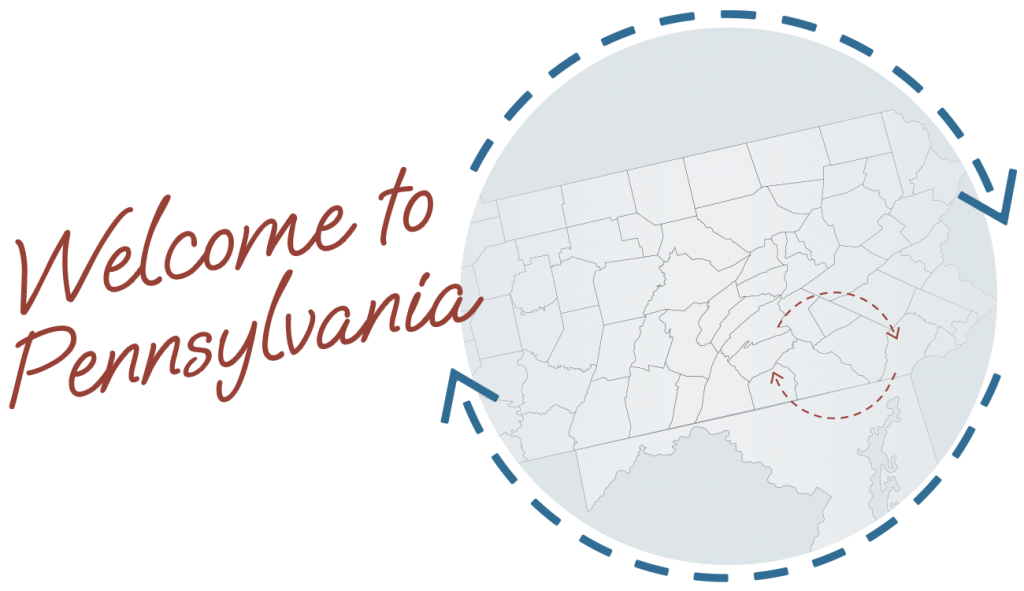
The Susquehanna National Heritage Area spans York and Lancaster counties, where each stop along your journey—no matter which itinerary you choose—reveals a different dimension of our culture and part of the story. Use this map to see how heritage sites connect, plan your route, and explore at your own pace.

Explore Stops Along Your "Underground Railroad" Journey
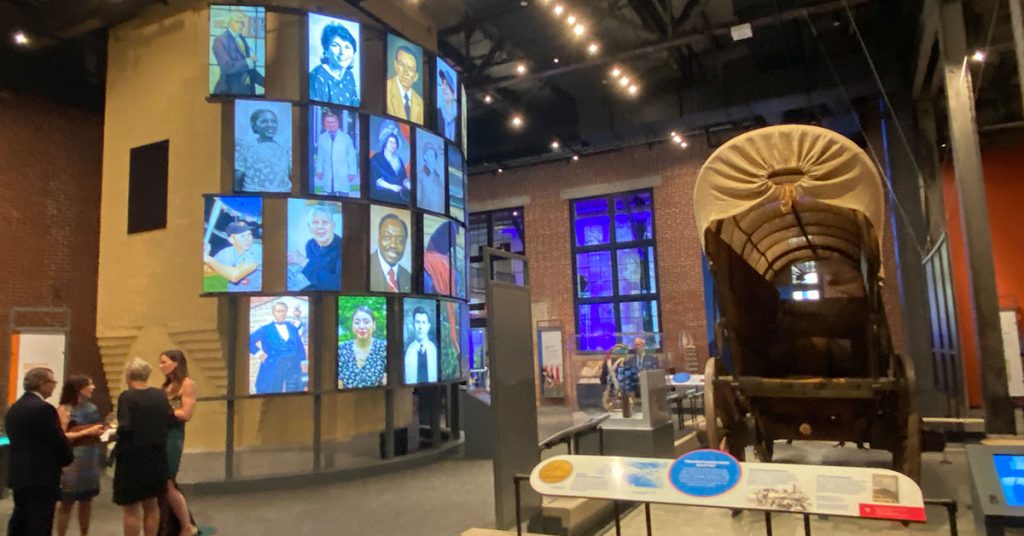
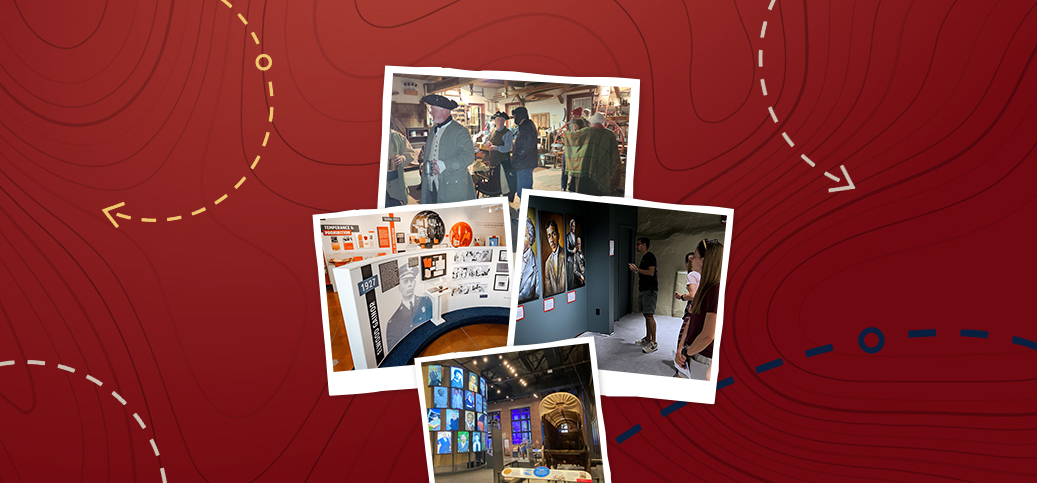
Each stop along this itinerary connects you to powerful stories of courage, resistance, and hope. Explore the locations below to learn more about the people and places that shaped the fight for freedom.
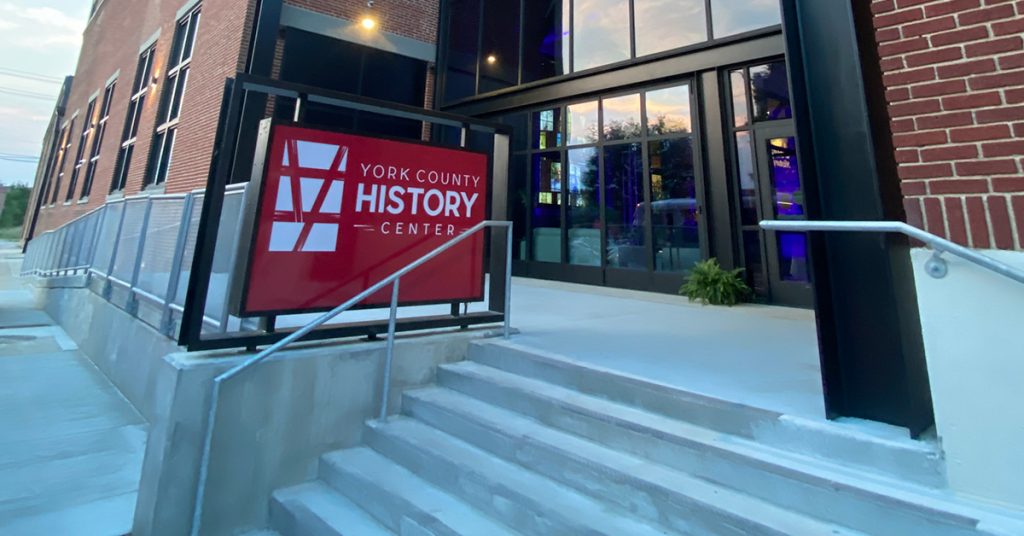
Start your journey at the York County History Center—where a landmark Supreme Court case reveals the region’s role in the fight over slavery.
York County History Center: Critical Crossroads Exhibit
121 N Pershing Ave
York PA 17401
717-848-1587
yorkhistorycenter.org
HOURS:
Change Seasonally
Spring/Summer Hours
Tuesday-Saturday 10am-4pm
Sunday 12pm-4pm
Monday Closed
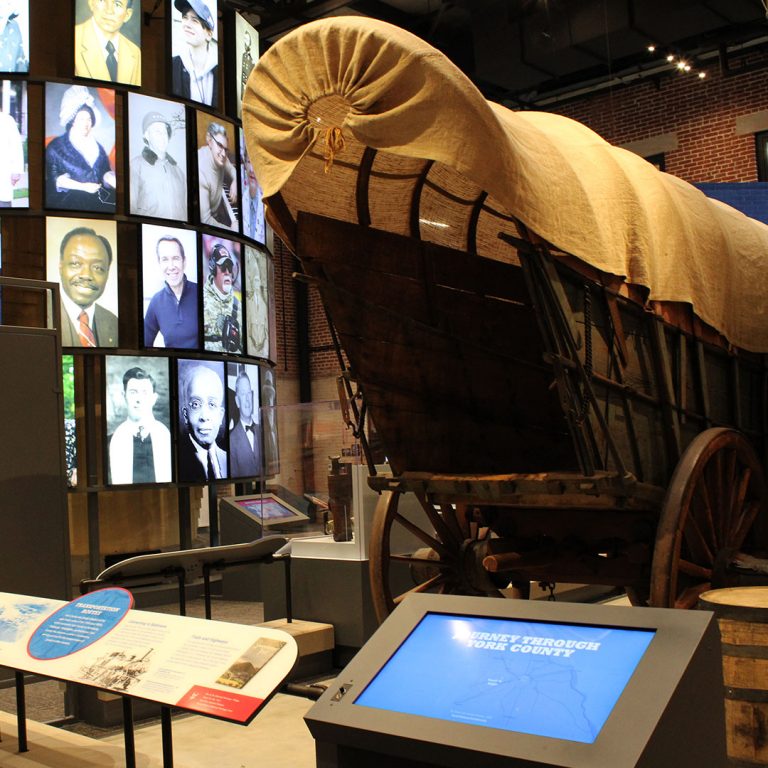
A stop at the York County History Museum is a necessary first step to understanding how our region stood at a critical crossroads of freedom. York had strong ties to Baltimore, a southern-leaning and slave-holding city, while Lancaster had strong ties to Philadelphia, a city that started America’s first abolitionist society. York became nationally significant in the slavery debate when a local court case was appealed up to the Supreme Court.
In January 1840, Pennsylvania Attorney General Ovid Johnson brought charges against Edward Prigg in the Court of Quarter Sessions in York County. Prigg, a Marylander, had been accused of kidnapping Margaret Morgan from Airville in the southern part of York County. Jurors convicted Prigg of violating an 1826 Pennsylvania law against kidnapping, and he was given a $1,000 fine. The case was eventually appealed up to the Supreme Court. The Court declared that slave owners had a right to recapture their property, but also ruled that state officials could not be compelled to enforce the federal law. The decision aggravated tensions between northern and southern states. It also pushed local abolitionists to work in more clandestine ways.
The fate of Margaret Morgan is unknown today. One record from 1870 shows a woman of that name and age working in a household in Cecil County Maryland. Others involved in the case remarked that she was sold into the “Deep South.”
Start your journey at the York County History Center—where a landmark Supreme Court case reveals the region’s role in the fight over slavery.
York County History Center: Critical Crossroads Exhibit
121 N Pershing Ave
York PA 17401
717-848-1587
yorkhistorycenter.org
HOURS:
Change Seasonally
Spring/Summer Hours
Tuesday-Saturday 10am-4pm
Sunday 12pm-4pm
Monday Closed
A stop at the York County History Museum is a necessary first step to understanding how our region stood at a critical crossroads of freedom. York had strong ties to Baltimore, a southern-leaning and slave-holding city, while Lancaster had strong ties to Philadelphia, a city that started America’s first abolitionist society. York became nationally significant in the slavery debate when a local court case was appealed up to the Supreme Court.
In January 1840, Pennsylvania Attorney General Ovid Johnson brought charges against Edward Prigg in the Court of Quarter Sessions in York County. Prigg, a Marylander, had been accused of kidnapping Margaret Morgan from Airville in the southern part of York County. Jurors convicted Prigg of violating an 1826 Pennsylvania law against kidnapping, and he was given a $1,000 fine. The case was eventually appealed up to the Supreme Court. The Court declared that slave owners had a right to recapture their property, but also ruled that state officials could not be compelled to enforce the federal law. The decision aggravated tensions between northern and southern states. It also pushed local abolitionists to work in more clandestine ways.
The fate of Margaret Morgan is unknown today. One record from 1870 shows a woman of that name and age working in a household in Cecil County Maryland. Others involved in the case remarked that she was sold into the “Deep South.”
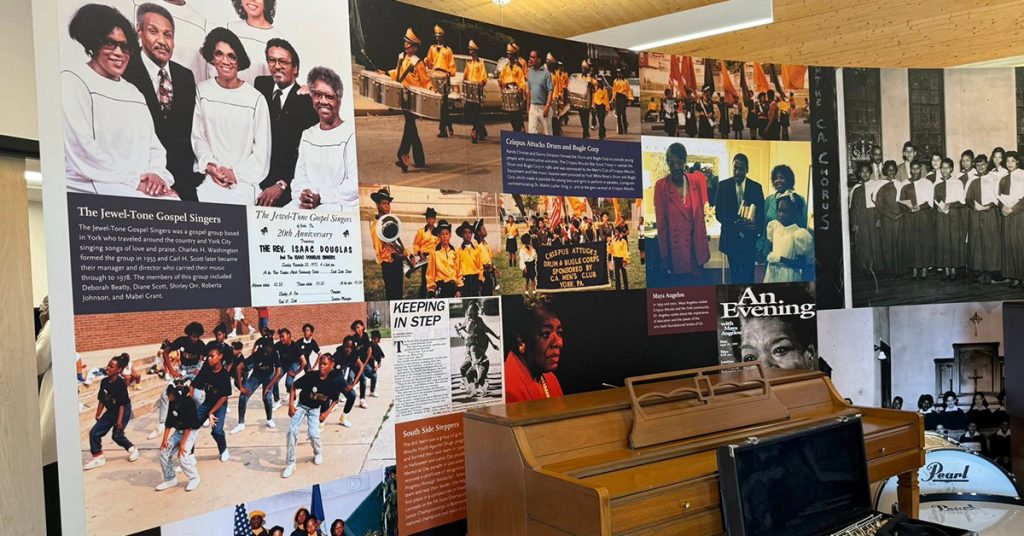
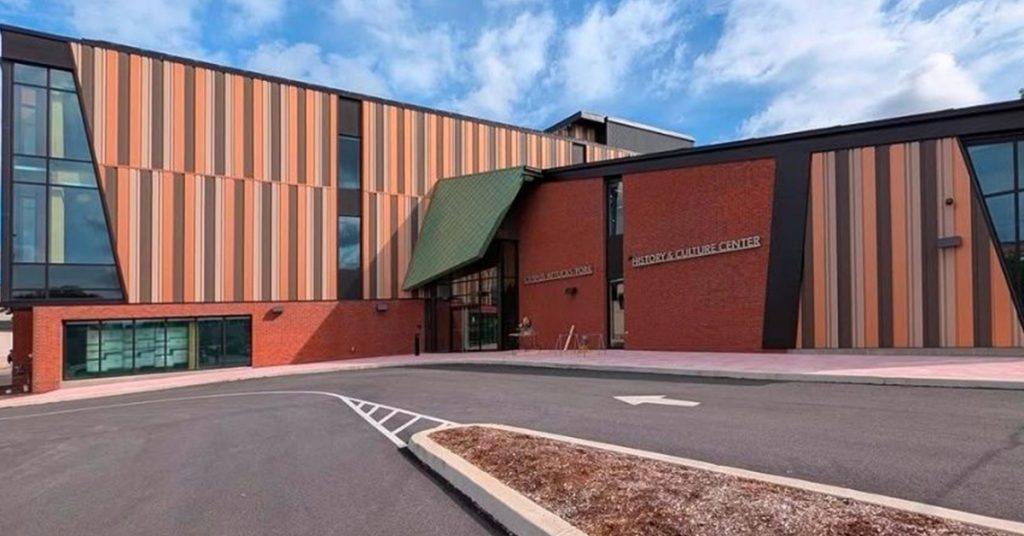
Discover powerful stories of courage, culture, and community that shaped York County and America’s continuing pursuit of freedom.
Crispus Attucks History & Culture Center
45 E Boundary Ave
York, PA 17401
717-848-3610
cayhcc.org
HOURS:
Tuesday-Thursday 9am-6pm
First Fridays 9am-6pm
Saturday 9am-2pm
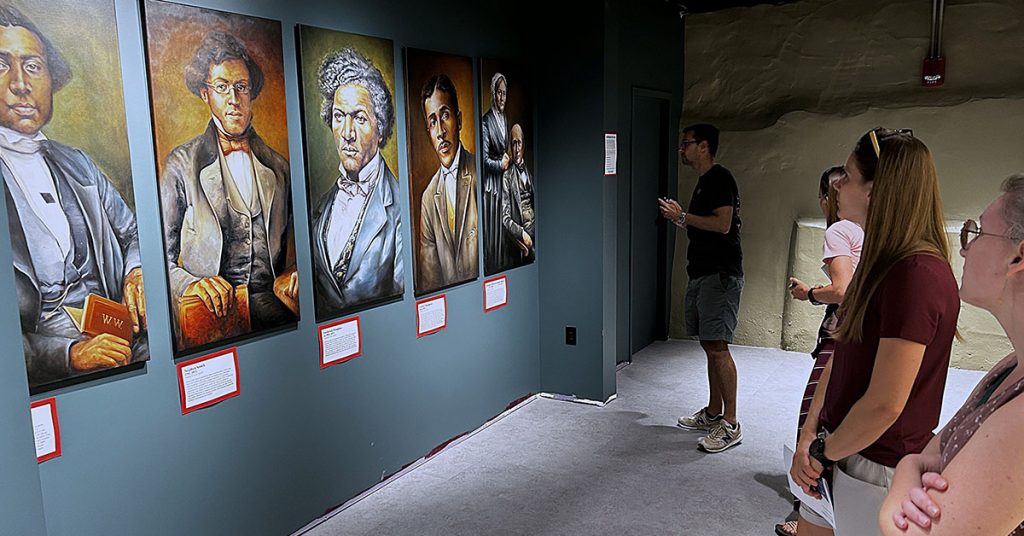
A visit to the Crispus Attucks York History & Culture Center invites travelers to experience the powerful stories of York County’s African American community through immersive exhibits, community storytelling, and spaces designed for reflection and dialogue. The center connects visitors to the ongoing struggle for freedom, equality, and civic participation that shaped the region and the nation itself. Guests can expect engaging historical displays, personal narratives, and interactive experiences that reveal how ordinary people challenged injustice, strengthened their communities, and helped define America’s evolving promise of liberty and inclusion. A stop here deepens the understanding that “We the People” has always been a story of expanding voices, shared resilience, and the continuing work of building a more perfect union.
Discover powerful stories of courage, culture, and community that shaped York County and America’s continuing pursuit of freedom.
Crispus Attucks History & Culture Center
45 E Boundary Ave
York, PA 17401
717-848-3610
cayhcc.org
HOURS:
Tuesday-Thursday 9am-6pm
First Fridays 9am-6pm
Saturday 9am-2pm
A visit to the Crispus Attucks York History & Culture Center invites travelers to experience the powerful stories of York County’s African American community through immersive exhibits, community storytelling, and spaces designed for reflection and dialogue. The center connects visitors to the ongoing struggle for freedom, equality, and civic participation that shaped the region and the nation itself. Guests can expect engaging historical displays, personal narratives, and interactive experiences that reveal how ordinary people challenged injustice, strengthened their communities, and helped define America’s evolving promise of liberty and inclusion. A stop here deepens the understanding that “We the People” has always been a story of expanding voices, shared resilience, and the continuing work of building a more perfect union.
Shrewsbury: the border of freedom.
Samuel Berry, Shrewsbury
108 South Main Street
Shrewsbury, PA
HOURS:
Self-Guided Historic Marker
Shrewsbury sits at a critical point of access to Pennsylvania. African Americans seeking freedom crossed the Mason-Dixon Line and often wandered into Shrewsbury households looking for guidance. Some homes were allies and would help freedom seekers move north to York or Wrightsville. Some homes collaborated with slave catchers and would receive payments for turning people in. By the 1850s, there was tension in the town between neighbors of differing ideologies.
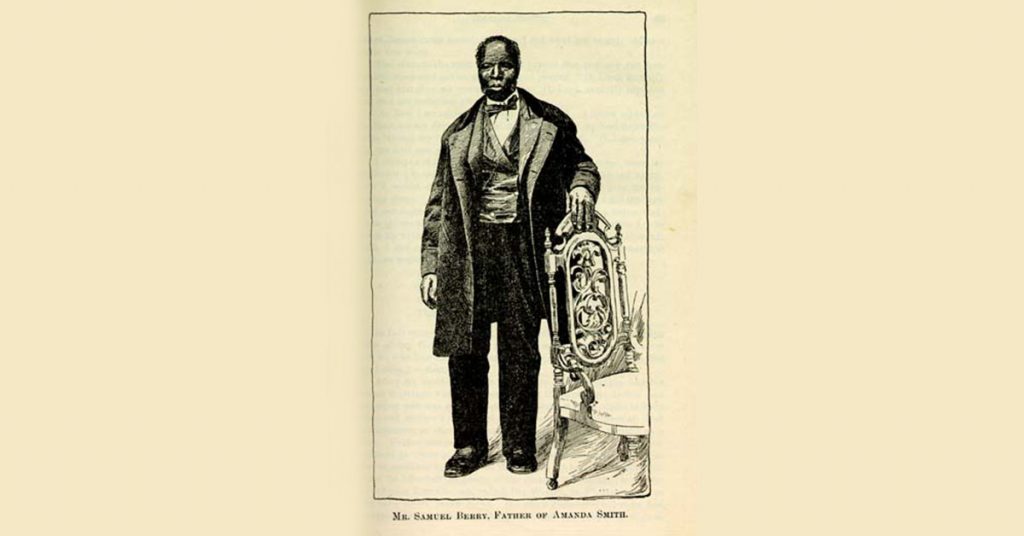
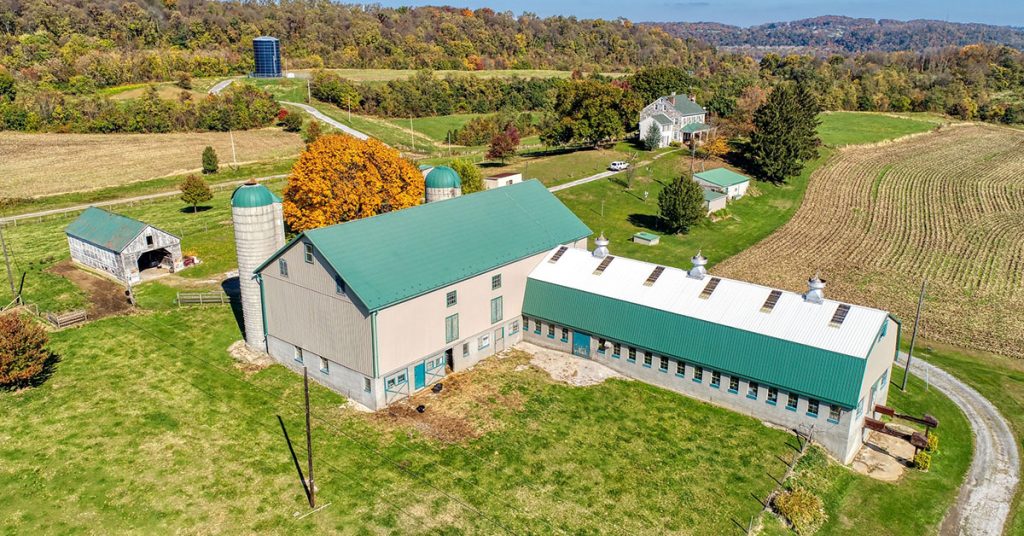
Formerly enslaved, Samuel Berry, his wife, and five children moved to Shrewsbury in early 1850. Berry has bought freedom for himself and his family. He leased a farmstead from a wealthy farmer south of Shrewsbury who was staunchly anti-slavery and very religious. Berry’s daughter stated that her father would work hard all day, sleep for two hours, and then “start at midnight and walk fifteen or twenty miles, and carry a poor slave to a place of security; sometimes mother and child, sometimes a man and wife, other times a man or more, then get home just before the day.” Berry and his family risked their lives regularly to help freedom seekers; the total number is unknown.
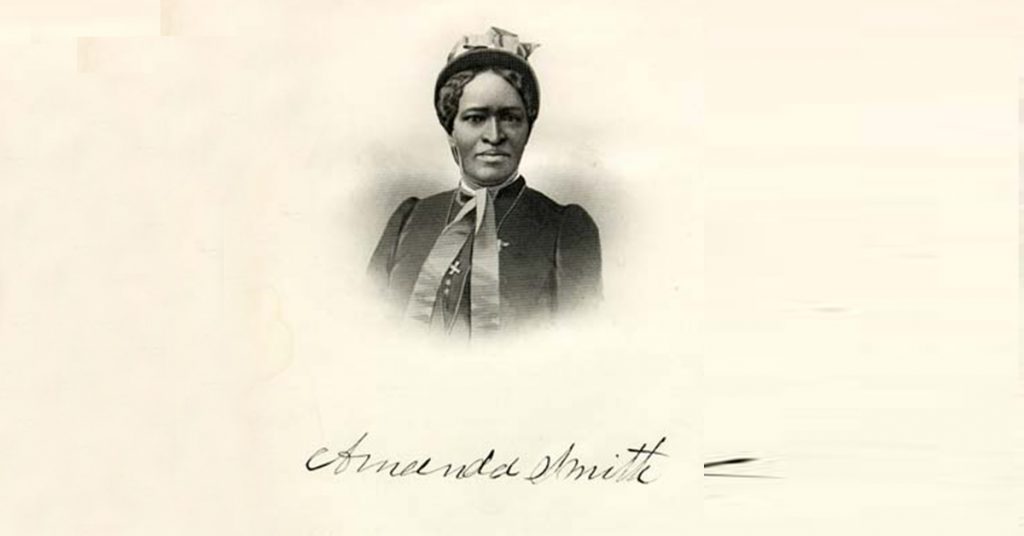
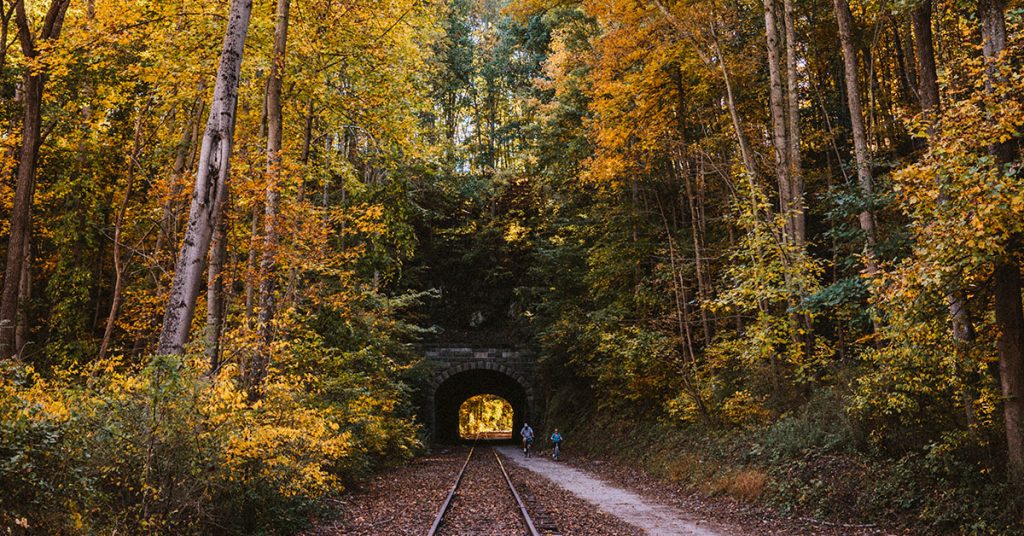
Today, on South Main Street you will find a state historic marker honoring Amanda Berry, Samuel’s daughter. South of Shrewsbury, you’ll find State Road T429 (Cooper Road). This road runs along a branch of Deer Creek, and the Berry farm was likely located just south of the creek, near this road. If you prefer a walk or bike trip, jump on the York County Heritage Rail Trail just a few miles west of Shrewsbury at Railroad Park (https://maps.app.goo.gl/F39mqcGpcTx2s49t5).
Supporting Resources:
Links: https://docsouth.unc.edu/neh/smitham/ill1.html
Amanda Smith, 1837-1915. an autobiography: The story of the lord’s dealings with mrs. Amanda Smith, the Colored Evangelist: Containing an account of her life work of faith, and her travels in America, England, Ireland, Scotland, India, and Africa as an independent missionary.
Shrewsbury: the border of freedom.
Samuel Berry, Shrewsbury
108 South Main Street
Shrewsbury, PA
HOURS:
Self-Guided Historic Marker
Shrewsbury sits at a critical point of access to Pennsylvania. African Americans seeking freedom crossed the Mason-Dixon Line and often wandered into Shrewsbury households looking for guidance. Some homes were allies and would help freedom seekers move north to York or Wrightsville. Some homes collaborated with slave catchers and would receive payments for turning people in. By the 1850s, there was tension in the town between neighbors of differing ideologies.
Formerly enslaved, Samuel Berry, his wife, and five children moved to Shrewsbury in early 1850. Berry has bought freedom for himself and his family. He leased a farmstead from a wealthy farmer south of Shrewsbury who was staunchly anti-slavery and very religious. Berry’s daughter stated that her father would work hard all day, sleep for two hours, and then “start at midnight and walk fifteen or twenty miles, and carry a poor slave to a place of security; sometimes mother and child, sometimes a man and wife, other times a man or more, then get home just before the day.” Berry and his family risked their lives regularly to help freedom seekers; the total number is unknown.
Today, on South Main Street you will find a state historic marker honoring Amanda Berry, Samuel’s daughter. South of Shrewsbury, you’ll find State Road T429 (Cooper Road). This road runs along a branch of Deer Creek, and the Berry farm was likely located just south of the creek, near this road. If you prefer a walk or bike trip, jump on the York County Heritage Rail Trail just a few miles west of Shrewsbury at Railroad Park (https://maps.app.goo.gl/F39mqcGpcTx2s49t5).
Supporting Resources:
Links: https://docsouth.unc.edu/neh/smitham/ill1.html
Amanda Smith, 1837-1915. an autobiography: The story of the lord’s dealings with mrs. Amanda Smith, the Colored Evangelist: Containing an account of her life work of faith, and her travels in America, England, Ireland, Scotland, India, and Africa as an independent missionary.
Mifflin Farm supported freedom seekers safely across the Susquehanna.
Mifflin Farm
Future Home of Susquehanna Discovery Center
202 Cool Springs Rd
Wrightsville, PA 17368
717-252-0229
susqnha.org/what-we-do/projects/mifflin
HOURS:
Seasonally Available
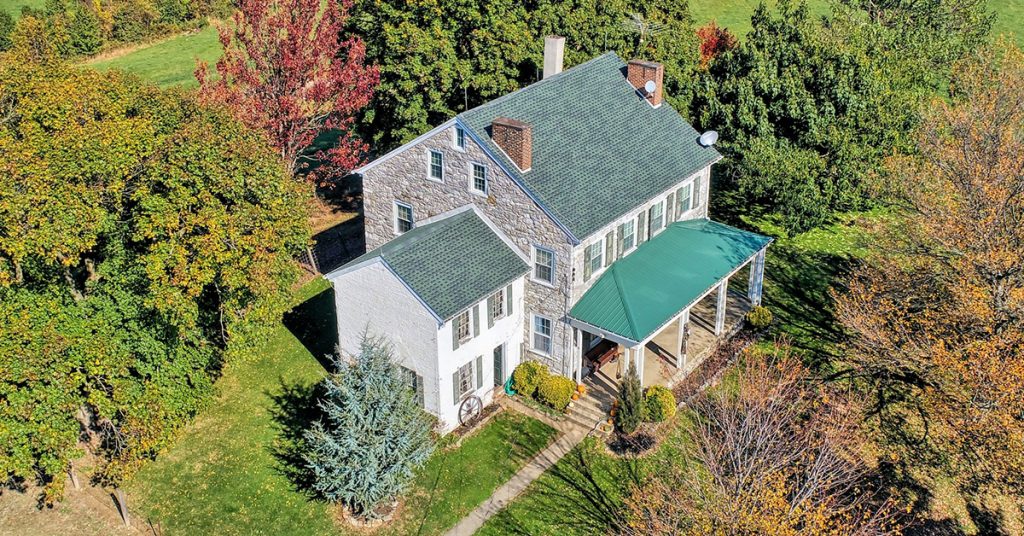
This was the home of Jonathan, Susanna (Wright), and Samuel Mifflin. The Mifflins were Quakers and provided refuge to an unknown number of freedom seekers over a 46-year span. The Mifflins worked with Robert Loney, a free Black boatman, who rowed freedom seekers across the river to Columbia, where they were passed to the care of William Wright (Susanna’s brother) or Stephen Smith. After the Mifflins sold the property, it was the site of fighting during the 1863 Battle of Wrightsville.
This site is part of the National Park Service’s Underground Railroad Network to Freedom.
Mifflin Farm supported freedom seekers safely across the Susquehanna.
Mifflin Farm
Future Home of Susquehanna Discovery Center
202 Cool Springs Rd
Wrightsville, PA 17368
717-252-0229
susqnha.org/what-we-do/projects/mifflin
HOURS:
Seasonally Available
This was the home of Jonathan, Susanna (Wright), and Samuel Mifflin. The Mifflins were Quakers and provided refuge to an unknown number of freedom seekers over a 46-year span. The Mifflins worked with Robert Loney, a free Black boatman, who rowed freedom seekers across the river to Columbia, where they were passed to the care of William Wright (Susanna’s brother) or Stephen Smith. After the Mifflins sold the property, it was the site of fighting during the 1863 Battle of Wrightsville.
This site is part of the National Park Service’s Underground Railroad Network to Freedom.
“If I was again pursued…I would jump in the river rather than return to bondage.”—James Watkins
Wrightsville Commons Park
Walnut St
Wrightsville PA, 17368
717-252-2768
susquehannariverlands.com
HOURS:
Open Daily
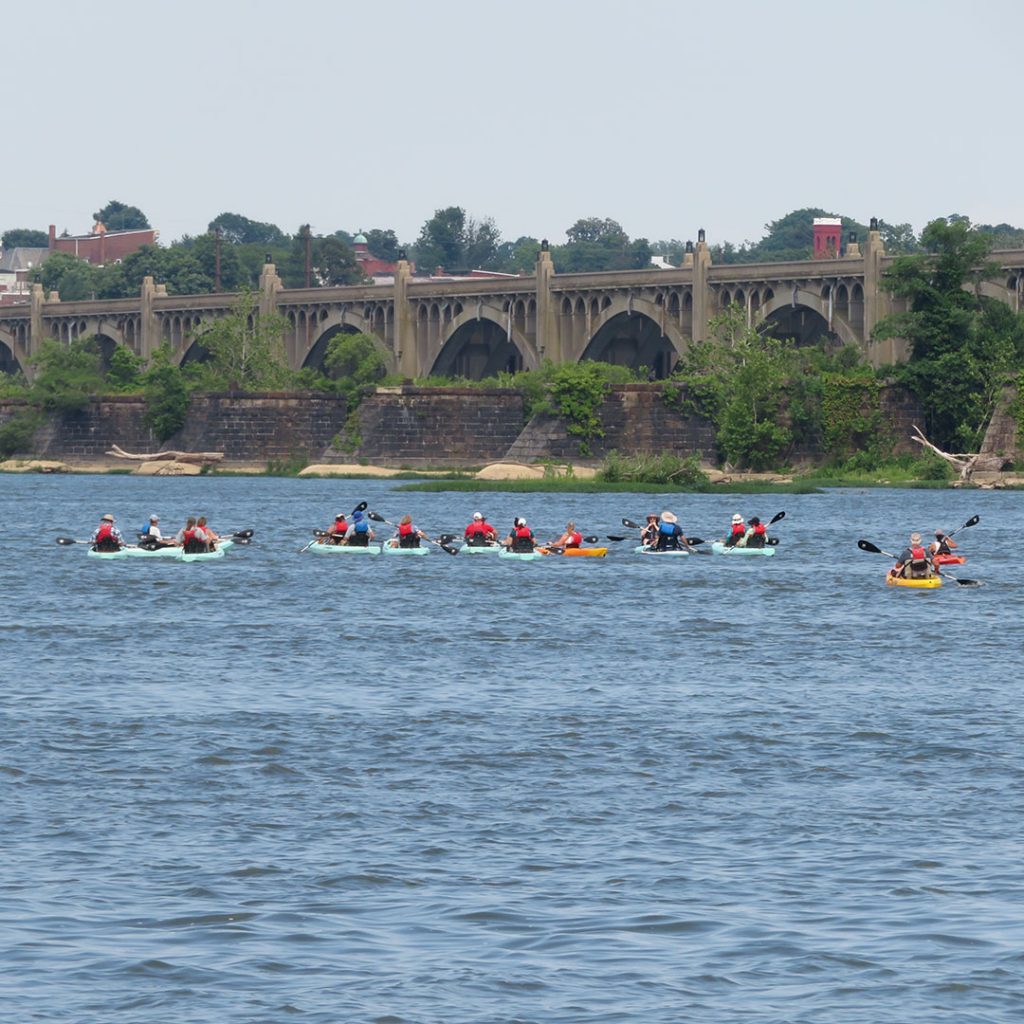
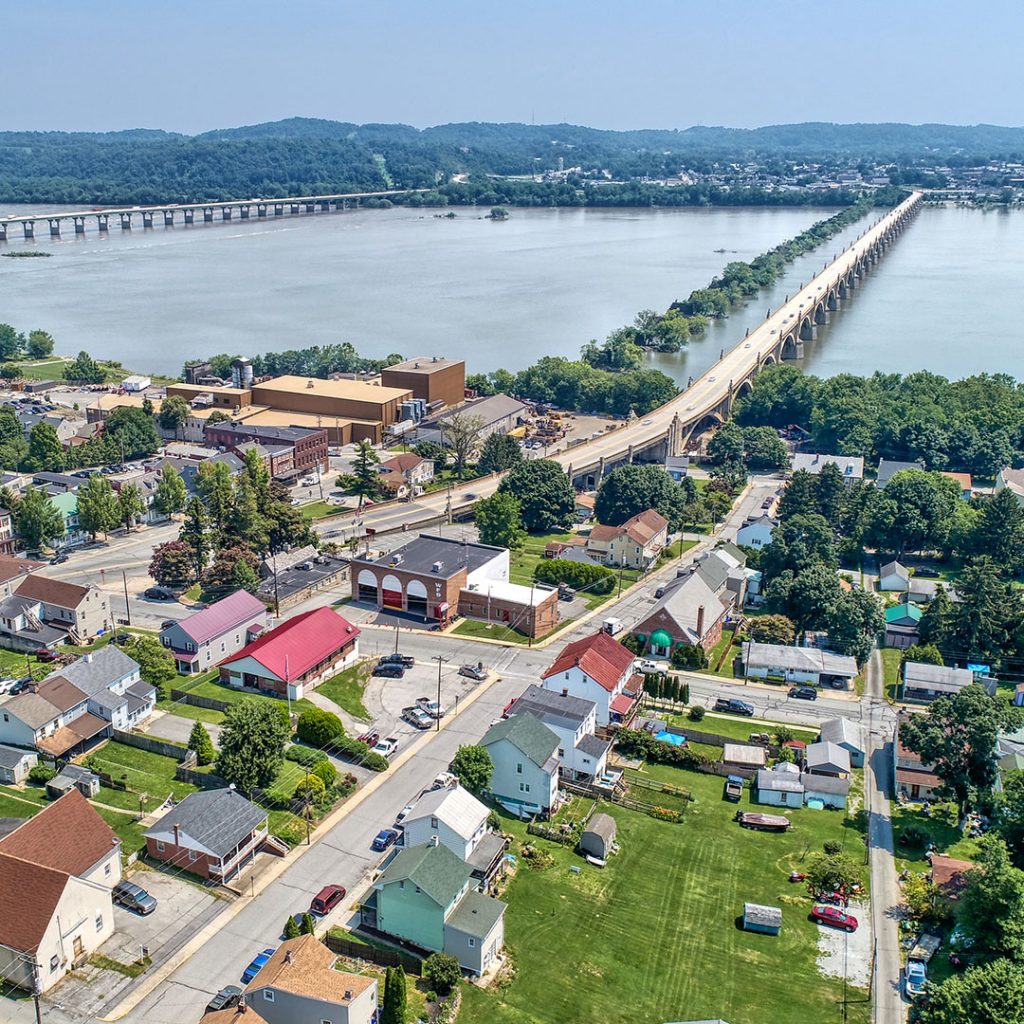
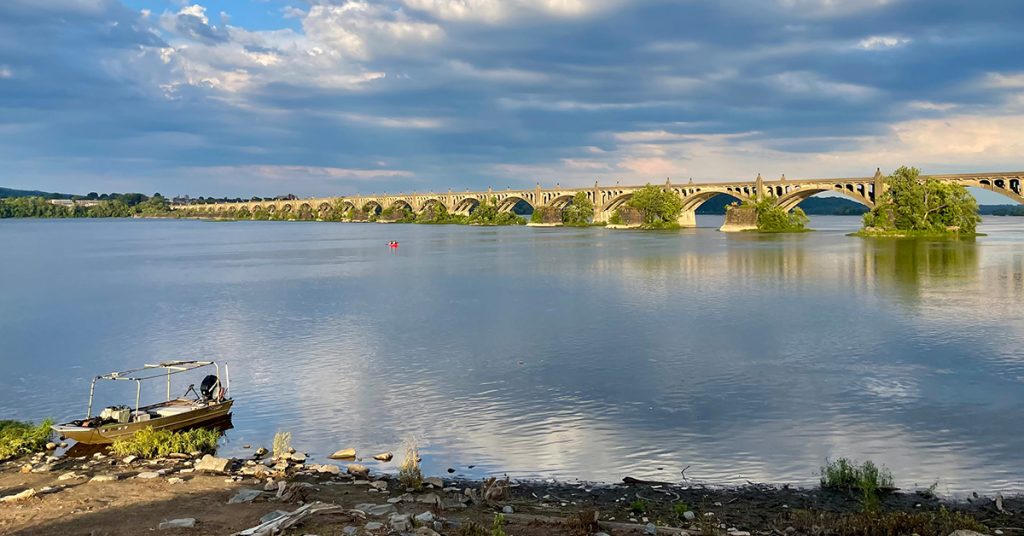
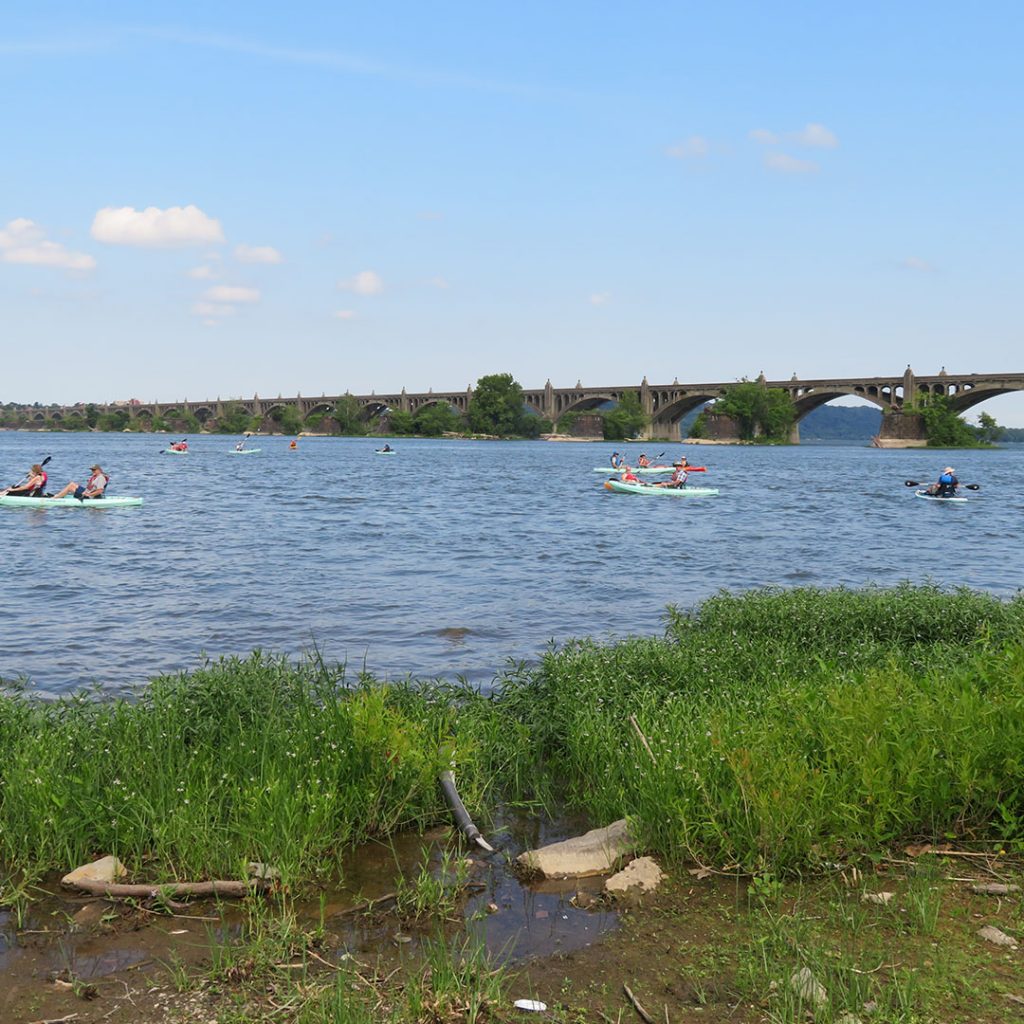
From this point, you will experience the wide expanse of the Susquehanna River. Just to the north, near the present-day Wright’s Ferry (Rt. 30) Bridge, Robert Loney rowed freedom seekers across the river to Columbia. To your south, above the Veteran’s Memorial (Rt. 462) Bridge, you can see the remaining piers of the Columbia-Wrightsville bridge, burned by Federal militia to keep the Confederate Army of Northern Virginia from crossing the Susquehanna into Lancaster County on June 28, 1863. These Confederates turned west and fought at the Battle of Gettysburg three days later.
“If I was again pursued…I would jump in the river rather than return to bondage.”—James Watkins
Wrightsville Commons Park
Walnut St
Wrightsville PA, 17368
717-252-2768
susquehannariverlands.com
HOURS:
Open Daily
From this point, you will experience the wide expanse of the Susquehanna River. Just to the north, near the present-day Wright’s Ferry (Rt. 30) Bridge, Robert Loney rowed freedom seekers across the river to Columbia. To your south, above the Veteran’s Memorial (Rt. 462) Bridge, you can see the remaining piers of the Columbia-Wrightsville bridge, burned by Federal militia to keep the Confederate Army of Northern Virginia from crossing the Susquehanna into Lancaster County on June 28, 1863. These Confederates turned west and fought at the Battle of Gettysburg three days later.
“We arrived at Columbia before it was light, and fortunately without crossing the bridge, for we were taken over in a boat.”—William Parker
Columbia Crossing River Trails Center
41 Walnut St
Columbia, PA 17512
717-449-5607
susqnha.org
HOURS:
Changes Seasonally
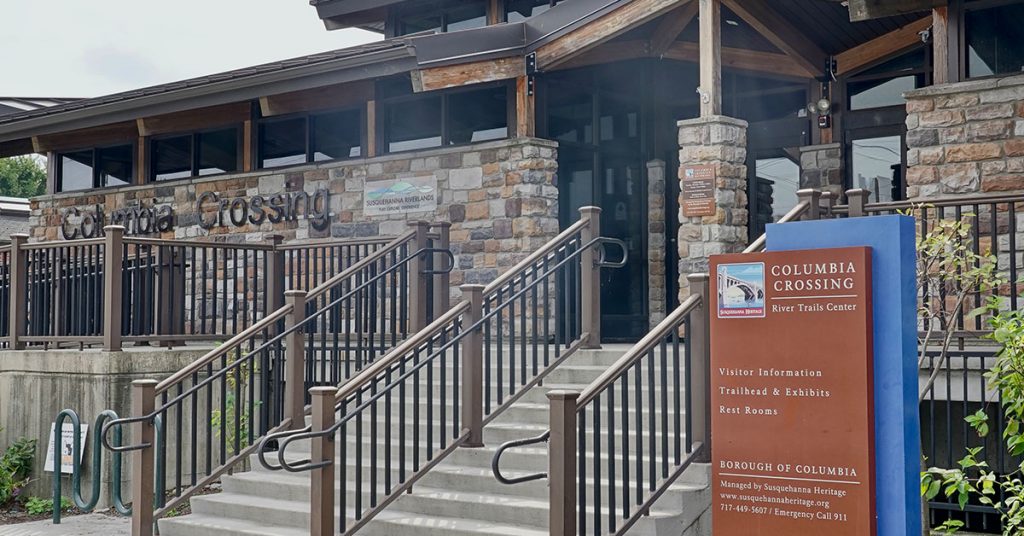
In the 1830s, this site was a bustling lumberyard. Stephen Smith, born into slavery near Harrisburg, was purchased by the owner of this yard, Thomas Boude. Eventually, Smith secured enough money to purchase the lumberyard from his former owner. Until the 1850s, Smith, and later his partner William Whipper, harbored freedom seekers here and moved them toward Philadelphia in boxcars with hidden compartments.
From here, you can also see the remaining piers from the Columbia-Wrightsville Bridge. These piers carried the longest covered bridge in the world, one-and-a-quarter miles across the broad Susquehanna. Freedom seekers sometimes crossed this bridge to Lancaster County, but often avoided it as it became a spot for kidnappings.
Here at Columbia Crossing was also the western terminus of the Philadelphia and Columbia Railroad. In the 1850s, as the Underground Railroad grew more clandestine, Black merchants Stephen Smith, William Whipper, and William Goodridge used the railroad and their own freight cars to move freedom seekers toward Philadelphia.
“We arrived at Columbia before it was light, and fortunately without crossing the bridge, for we were taken over in a boat.”—William Parker
Columbia Crossing River Trails Center
41 Walnut St
Columbia, PA 17512
717-449-5607
susqnha.org
HOURS:
Changes Seasonally
In the 1830s, this site was a bustling lumberyard. Stephen Smith, born into slavery near Harrisburg, was purchased by the owner of this yard, Thomas Boude. Eventually, Smith secured enough money to purchase the lumberyard from his former owner. Until the 1850s, Smith, and later his partner William Whipper, harbored freedom seekers here and moved them toward Philadelphia in boxcars with hidden compartments.
From here, you can also see the remaining piers from the Columbia-Wrightsville Bridge. These piers carried the longest covered bridge in the world, one-and-a-quarter miles across the broad Susquehanna. Freedom seekers sometimes crossed this bridge to Lancaster County, but often avoided it as it became a spot for kidnappings.
Here at Columbia Crossing was also the western terminus of the Philadelphia and Columbia Railroad. In the 1850s, as the Underground Railroad grew more clandestine, Black merchants Stephen Smith, William Whipper, and William Goodridge used the railroad and their own freight cars to move freedom seekers toward Philadelphia.
EQUALITY OF MAN BEFORE HIS CREATOR.”—Thaddeus Stevens’s epitaph
Shreiner-Concord Cemetery
Mulberry & Chestnut Streets
Lancaster, PA 17601
717-253-0099
shreinercemetery.org
HOURS:
Self-Guided Experience
“I repose in this quiet and secluded spot not from any natural preference for solitude. But, finding other Cemeteries limited as to Race by Charter Rules, I have chosen this that I might illustrate in my death The Principles which I advocated through a long life; EQUALITY OF MAN BEFORE HIS CREATOR.”—Thaddeus Stevens’s epitaph
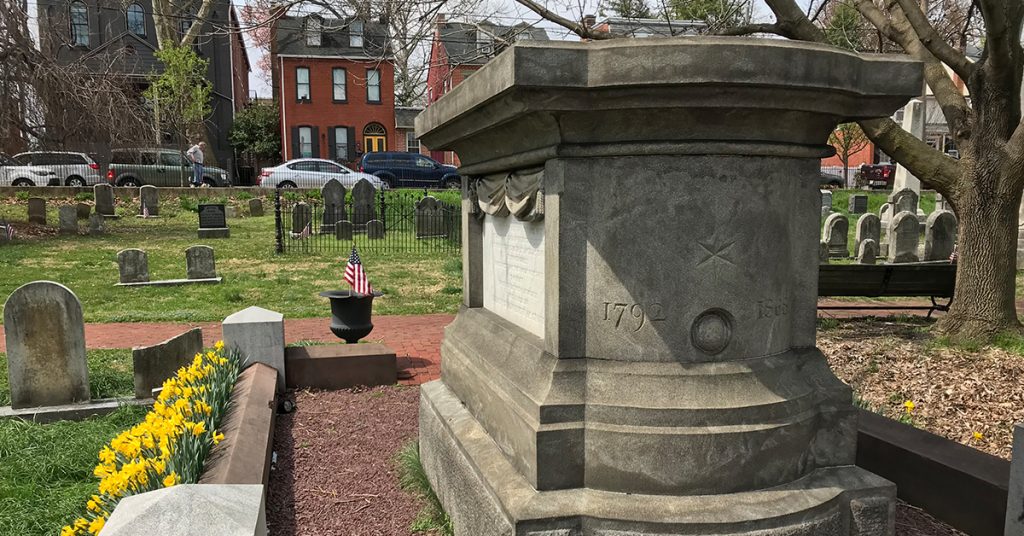
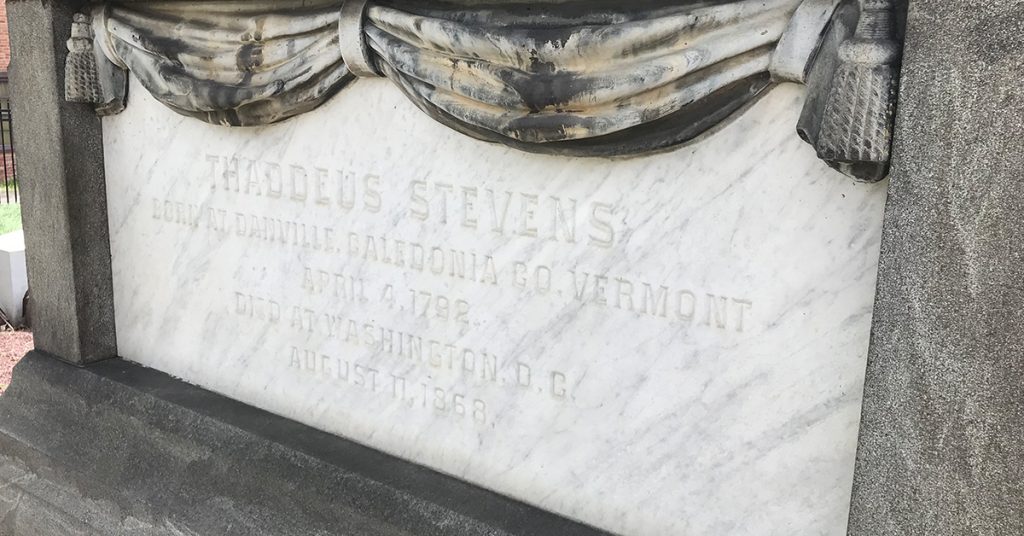
Established in 1836, this cemetery is the final resting place of U.S. Representative Thaddeus Stevens. Stevens died on April 4, 1868, and chose to be buried in this cemetery because it was not segregated. The Shreiner-Concord Cemetery is part of the National Park Service’s Underground Railroad Network to Freedom.
Supporting Resources:
Links: http://www.shreinercemetery.org/history.html
EQUALITY OF MAN BEFORE HIS CREATOR.”—Thaddeus Stevens’s epitaph
Shreiner-Concord Cemetery
Mulberry & Chestnut Streets
Lancaster, PA 17601
717-253-0099
shreinercemetery.org
HOURS:
Self-Guided Experience
“I repose in this quiet and secluded spot not from any natural preference for solitude. But, finding other Cemeteries limited as to Race by Charter Rules, I have chosen this that I might illustrate in my death The Principles which I advocated through a long life; EQUALITY OF MAN BEFORE HIS CREATOR.”—Thaddeus Stevens’s epitaph
Established in 1836, this cemetery is the final resting place of U.S. Representative Thaddeus Stevens. Stevens died on April 4, 1868, and chose to be buried in this cemetery because it was not segregated. The Shreiner-Concord Cemetery is part of the National Park Service’s Underground Railroad Network to Freedom.
Supporting Resources:
Links: http://www.shreinercemetery.org/history.html
Explore the stories of the struggle for freedom and equality in America.
Thaddeus Stevens & Lydia Hamilton Smith Center for History & Democracy
13-15 E Vine St
Lancaster, PA 17602
717-392-4633
stevensandsmithcenter.org
HOURS:
Opening May 2
“The occasion is forced upon us, and the invitation presented to strike the chains from four million of human beings, and create them MEN; to extinguish slavery on this whole continent; to wipe out, so far as we are concerned, the most hateful and infernal blot that has ever disgraced the escutcheon of man; to write a page in the history of the world whose brightness shall eclipse all the records of heroes and of sages.”—Thaddeus Stevens
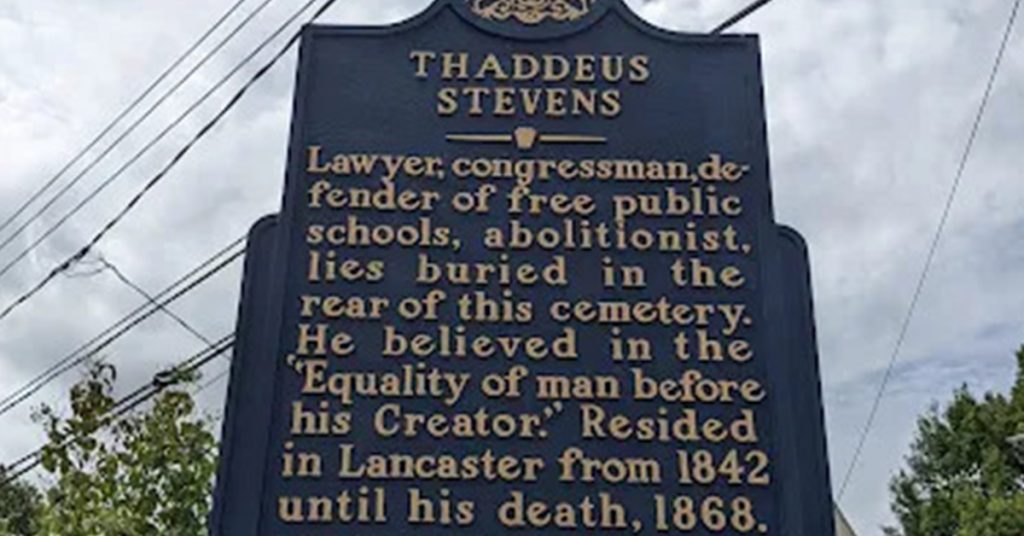
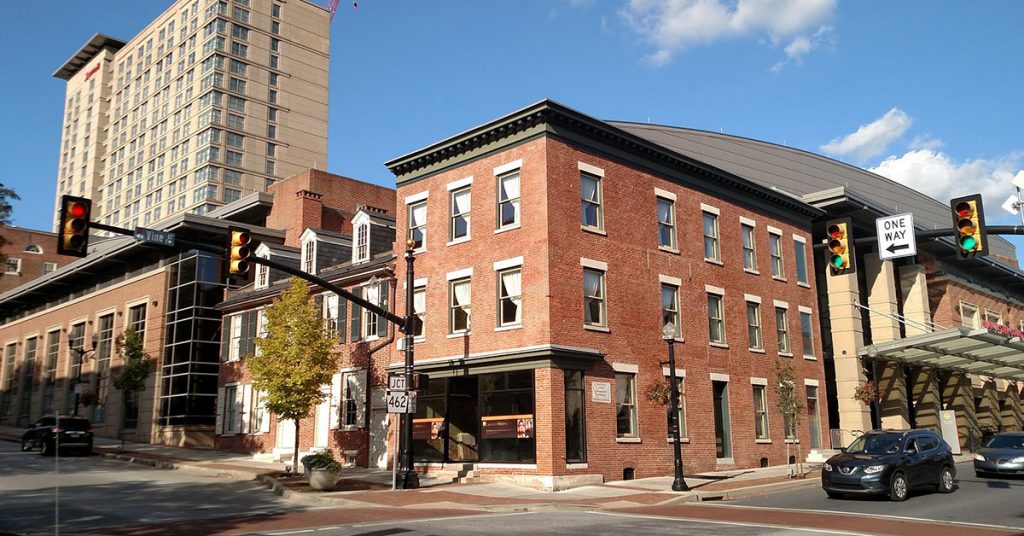
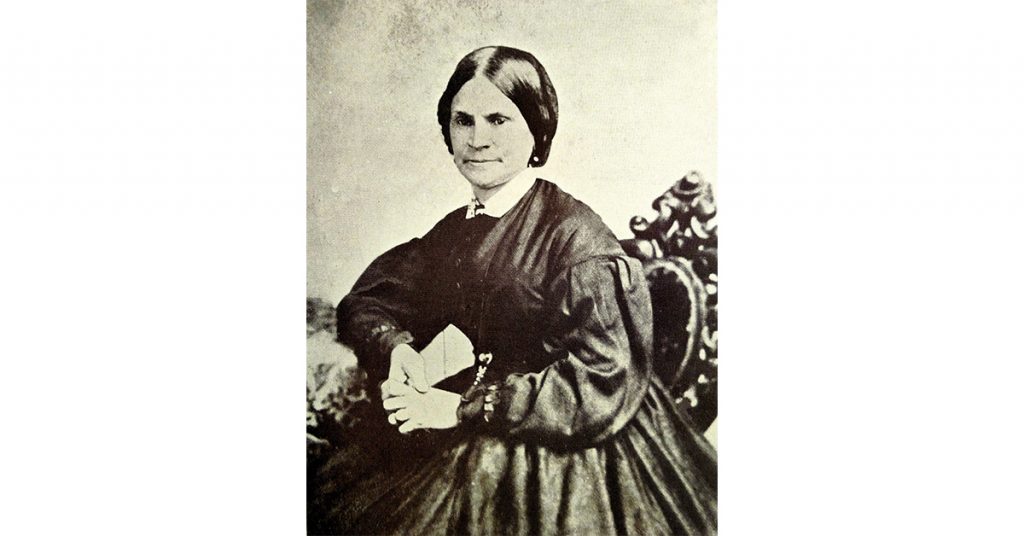
Thaddeus Stevens moved to Lancaster in 1842 and lived here for the remainder of his life. This building served both as his home and law office. Living with him was Lydia Hamilton Smith, who acted as both his housekeeper and confidante. She bought the house after Stevens’ death until she passed in 1884.
Stevens was chair of the powerful Ways and Means Committee during the American Civil War. He was a key advocate for the enactment of the 13th and 14th amendments to the U.S. Constitution, and he laid the groundwork for the enactment of the 15th Amendment after his death.
He organized and financed a network of agents to spy on the movements of enslavers and their bounty hunters operating in Lancaster County, his most direct Underground Railroad activity. He was involved in Underground Railroad activity in Franklin County, PA to the west, and may have also harbored freedom seekers at this location.
The Thaddeus Stevens & Lydia Hamilton Smith Center for History and Democracy is operated by LancasterHistory. It is an official site, as designated by the National Park Service’s Underground Railroad Network to Freedom.
Explore the stories of the struggle for freedom and equality in America.
Thaddeus Stevens & Lydia Hamilton Smith Center for History & Democracy
13-15 E Vine St
Lancaster, PA 17602
717-392-4633
stevensandsmithcenter.org
HOURS:
Opening May 2
“The occasion is forced upon us, and the invitation presented to strike the chains from four million of human beings, and create them MEN; to extinguish slavery on this whole continent; to wipe out, so far as we are concerned, the most hateful and infernal blot that has ever disgraced the escutcheon of man; to write a page in the history of the world whose brightness shall eclipse all the records of heroes and of sages.”—Thaddeus Stevens
Thaddeus Stevens moved to Lancaster in 1842 and lived here for the remainder of his life. This building served both as his home and law office. Living with him was Lydia Hamilton Smith, who acted as both his housekeeper and confidante. She bought the house after Stevens’ death until she passed in 1884.
Stevens was chair of the powerful Ways and Means Committee during the American Civil War. He was a key advocate for the enactment of the 13th and 14th amendments to the U.S. Constitution, and he laid the groundwork for the enactment of the 15th Amendment after his death.
He organized and financed a network of agents to spy on the movements of enslavers and their bounty hunters operating in Lancaster County, his most direct Underground Railroad activity. He was involved in Underground Railroad activity in Franklin County, PA to the west, and may have also harbored freedom seekers at this location.
The Thaddeus Stevens & Lydia Hamilton Smith Center for History and Democracy is operated by LancasterHistory. It is an official site, as designated by the National Park Service’s Underground Railroad Network to Freedom.
Journey back into the 1800’s as you step inside the shoes of Africans seeking their freedom in Lancaster County.
Bethel African Methodist Episcopal Church Lancaster – Living the Experience
512 E Strawberry St
Lancaster, PA 17602
717-874-5975
bethelamelancaster.com/living-the-experience
HOURS:
First Saturday of Each Month at 11am.
Tickets required.
This Underground Railroad living history program is presented interactively in first-person interpretation in an effort to bring alive the people, places, and events of Lancaster County. The program actively engages its audiences in learning about Lancaster’s role in the Underground Railroad and its history as a free Black community.
Held within the historic Bethel AME Church, a vital spiritual and community center for in Lancaster, the site played an important role during the Underground Railroad era as a place of refuge, resistance, education and connection. Today, the congregation continues to honor and share this powerful legacy, preserving stories of faith, resilience, and the pursuit of freedom for all.
Available on the first Saturday of each month, this is a powerful and memorable experience. In addition to a moving performance in the historic sanctuary, you will enjoy a southern style home-cooked meal, and group discussion.
Journey back into the 1800’s as you step inside the shoes of Africans seeking their freedom in Lancaster County.
Bethel African Methodist Episcopal Church Lancaster – Living the Experience
512 E Strawberry St
Lancaster, PA 17602
717-874-5975
bethelamelancaster.com/living-the-experience
HOURS:
First Saturday of Each Month at 11am.
Tickets required.
This Underground Railroad living history program is presented interactively in first-person interpretation in an effort to bring alive the people, places, and events of Lancaster County. The program actively engages its audiences in learning about Lancaster’s role in the Underground Railroad and its history as a free Black community.
Held within the historic Bethel AME Church, a vital spiritual and community center for in Lancaster, the site played an important role during the Underground Railroad era as a place of refuge, resistance, education and connection. Today, the congregation continues to honor and share this powerful legacy, preserving stories of faith, resilience, and the pursuit of freedom for all.
Available on the first Saturday of each month, this is a powerful and memorable experience. In addition to a moving performance in the historic sanctuary, you will enjoy a southern style home-cooked meal, and group discussion.
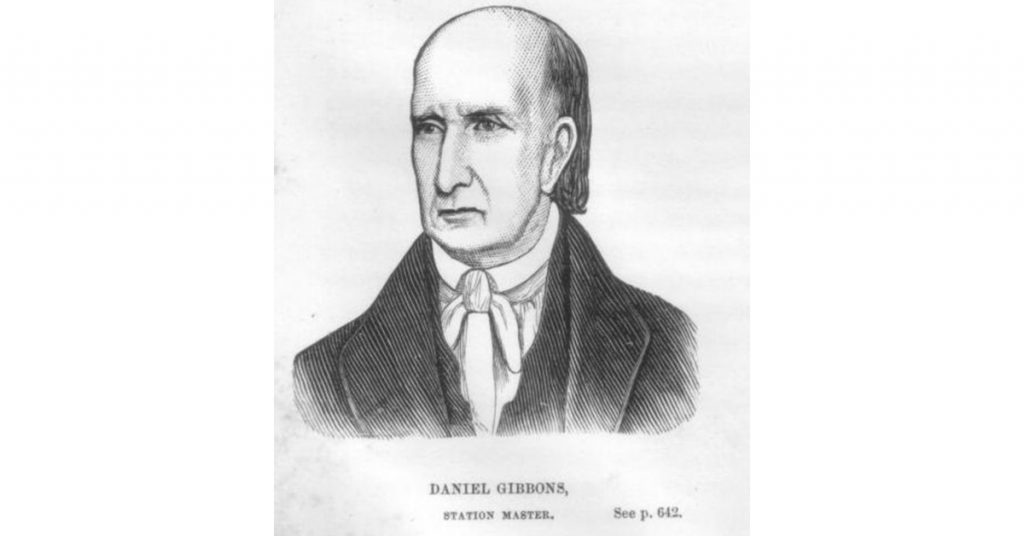
“Under the environment in which he lived, Daniel Gibbons grew up the friend of the down-trodden and oppressed.”—William Still
Gibbons Burial Site
2641 Old Philadelphia Pk
Bird in Hand, PA 17505
HOURS:
Self-Guided Experience
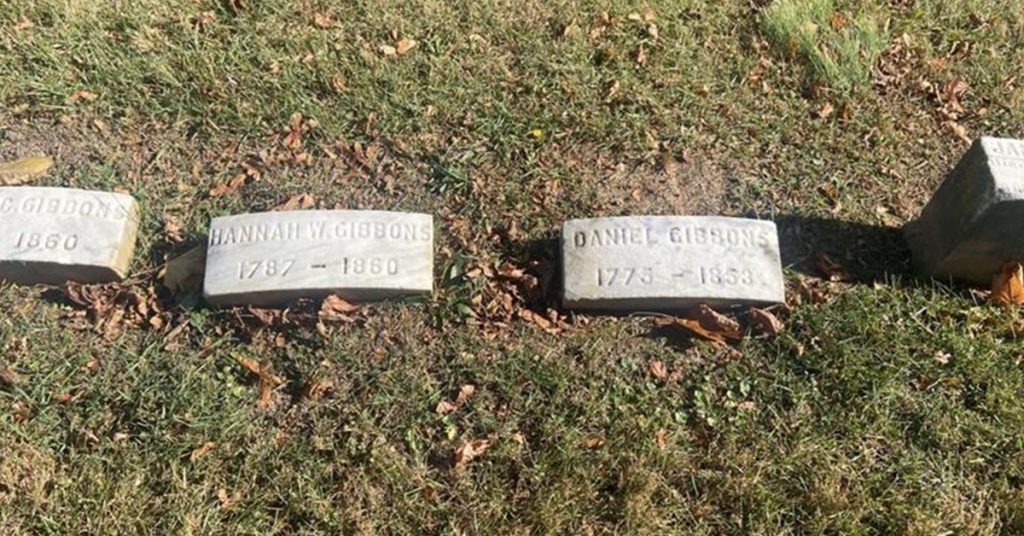
Daniel and Hannah Gibbons were Quakers who harbored hundreds of freedom seekers between 1820 and the Civil War. Their farm was approximately one mile north of this site. The Lampeter Friends Quaker Meeting House was built in 1749 and rebuilt in 1889 after a fire. Part of a larger community of the Religious Society of Friends (Quakers), the Lampeter Friends Meeting House was a place for connection with others working toward similar interests and goals. The associated school survives but is no longer the property of the meeting.
This site is part of the National Park Service’s Underground Railroad Network to Freedom.
“Under the environment in which he lived, Daniel Gibbons grew up the friend of the down-trodden and oppressed.”—William Still
Gibbons Burial Site
2641 Old Philadelphia Pk
Bird in Hand, PA 17505
HOURS:
Self-Guided Experience
Daniel and Hannah Gibbons were Quakers who harbored hundreds of freedom seekers between 1820 and the Civil War. Their farm was approximately one mile north of this site. The Lampeter Friends Quaker Meeting House was built in 1749 and rebuilt in 1889 after a fire. Part of a larger community of the Religious Society of Friends (Quakers), the Lampeter Friends Meeting House was a place for connection with others working toward similar interests and goals. The associated school survives but is no longer the property of the meeting.
This site is part of the National Park Service’s Underground Railroad Network to Freedom.
It was here that the Fugitive Slave Law of 1850 was tested for the first time.
Christiana Historical Society & Zercher’s Hotel
17 Green St
Christiana, PA 17509
610-593-5171
christianahistoricalsociety.com
HOURS:
Request a Tour Online
Available Monday, Saturday, & Sunday
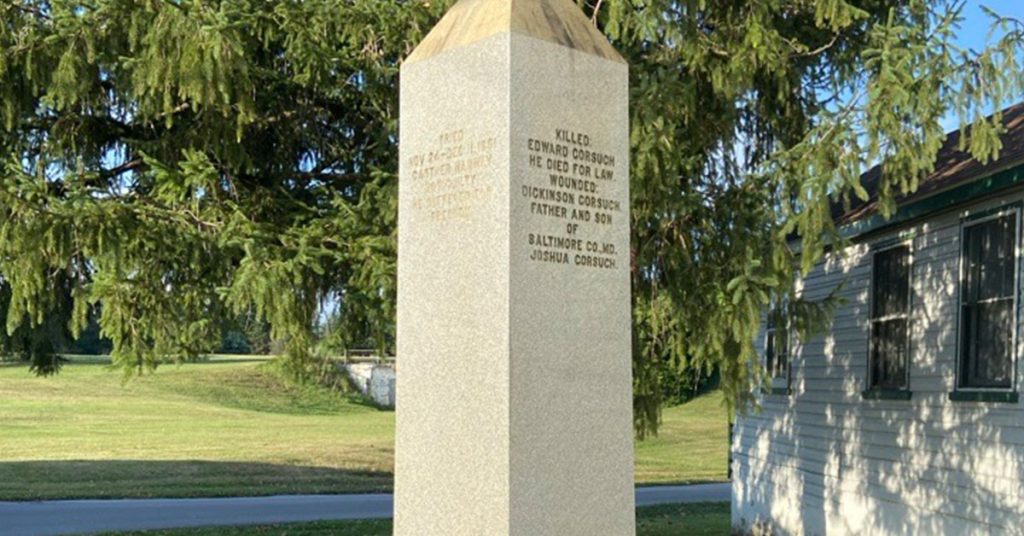
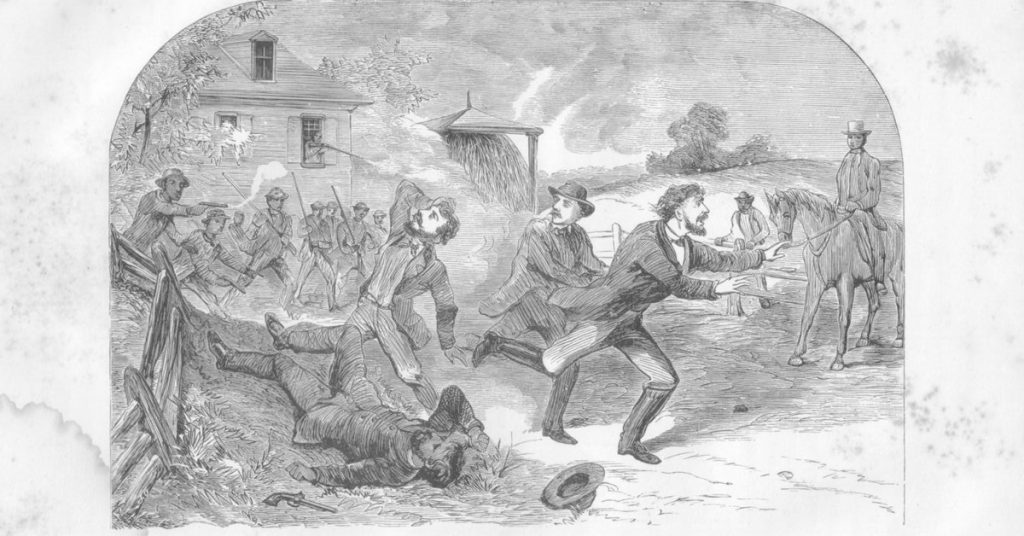
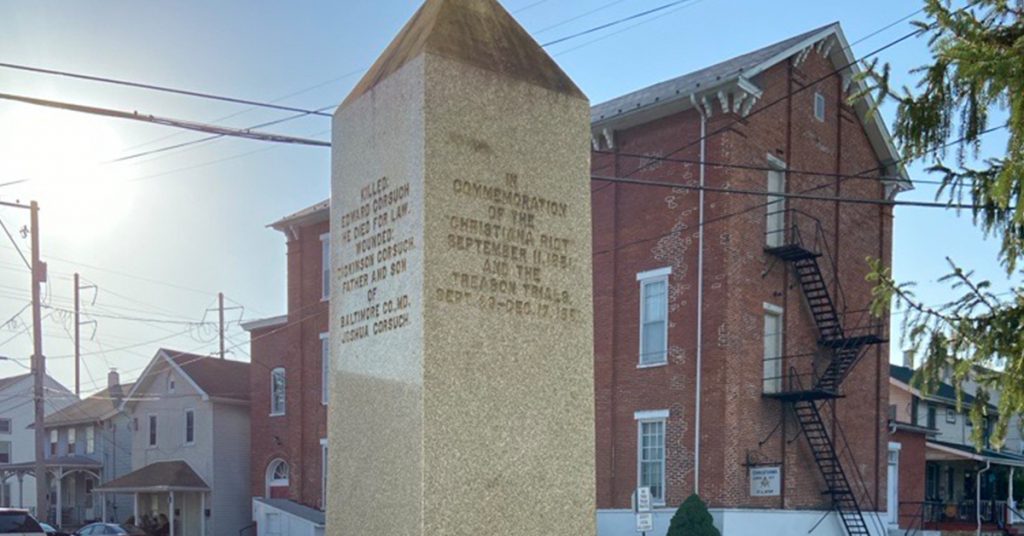
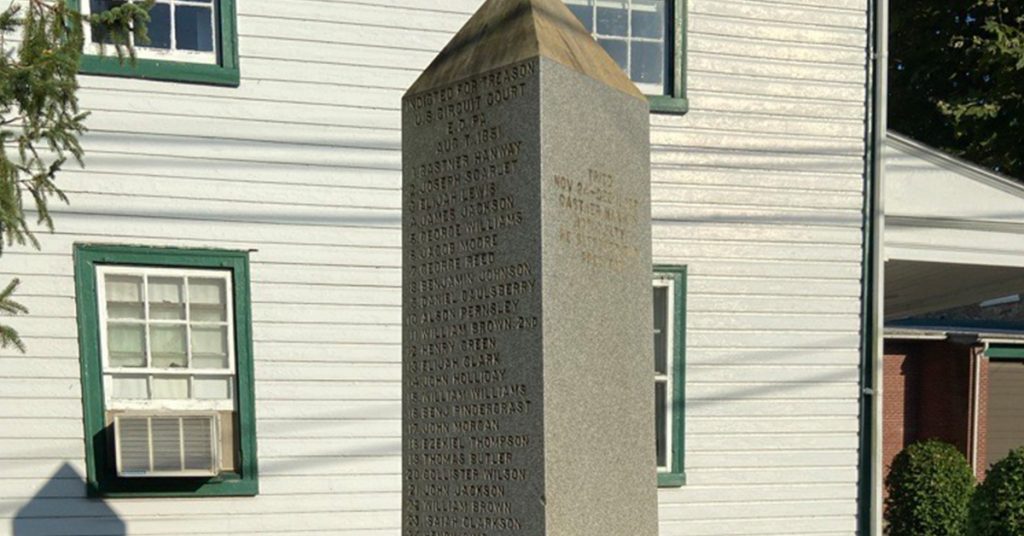
Nearby, freedom seekers at the home of William & Eliza Parker defended themselves against kidnappers. Edward Gorsuch and a posse of men attempted to regain self-emancipating enslaved Nelson Ford and Joshua Hammond under the 1850 Fugitive Slave Act. Black community members descended on the Parker home, driving off the kidnappers and killing Gorsuch in the process. More than 100 people were arrested and 38 were tried for treason. Thaddeus Stevens was the lead defense attorney, and no one was ever convicted.
The Parkers, Ford, and Hammond escaped to Canada. William Parker did not return to Christiana until 1871.
Zercher’s Hotel, built in the 1830s, is today a small museum operated by the Christiana Historical Society. This year, the society is commemorating 175 years since the Christiana Riot. This site is part of the National Park Service’s Underground Railroad Network to Freedom.
Additional Resources:
Links: https://explorepahistory.com/hmarker.php%3FmarkerId=1-A-109.html
It was here that the Fugitive Slave Law of 1850 was tested for the first time.
Christiana Historical Society & Zercher’s Hotel
17 Green St
Christiana, PA 17509
610-593-5171
christianahistoricalsociety.com
HOURS:
Request a Tour Online
Available Monday, Saturday, & Sunday
Nearby, freedom seekers at the home of William & Eliza Parker defended themselves against kidnappers. Edward Gorsuch and a posse of men attempted to regain self-emancipating enslaved Nelson Ford and Joshua Hammond under the 1850 Fugitive Slave Act. Black community members descended on the Parker home, driving off the kidnappers and killing Gorsuch in the process. More than 100 people were arrested and 38 were tried for treason. Thaddeus Stevens was the lead defense attorney, and no one was ever convicted.
The Parkers, Ford, and Hammond escaped to Canada. William Parker did not return to Christiana until 1871.
Zercher’s Hotel, built in the 1830s, is today a small museum operated by the Christiana Historical Society. This year, the society is commemorating 175 years since the Christiana Riot. This site is part of the National Park Service’s Underground Railroad Network to Freedom.
Additional Resources:
Links: https://explorepahistory.com/hmarker.php%3FmarkerId=1-A-109.html
Take the Quiz
What’s Your Heritage Travel Style?
The Explorer
Curiosity-led, discovery-driven, drawn to unexpected stories and places.
The Trailblazer
Purposeful and bold, motivated by freedom, courage, and the moments that shaped the nation.
The Heritage Seeker
Rooted in tradition, craftsmanship, and lived culture passed down through generations.

Find More Great Stops Along Your Journey
Click here to explore the many places to stay, eat, shop, play, and explore around the region. Start Exploring >
-
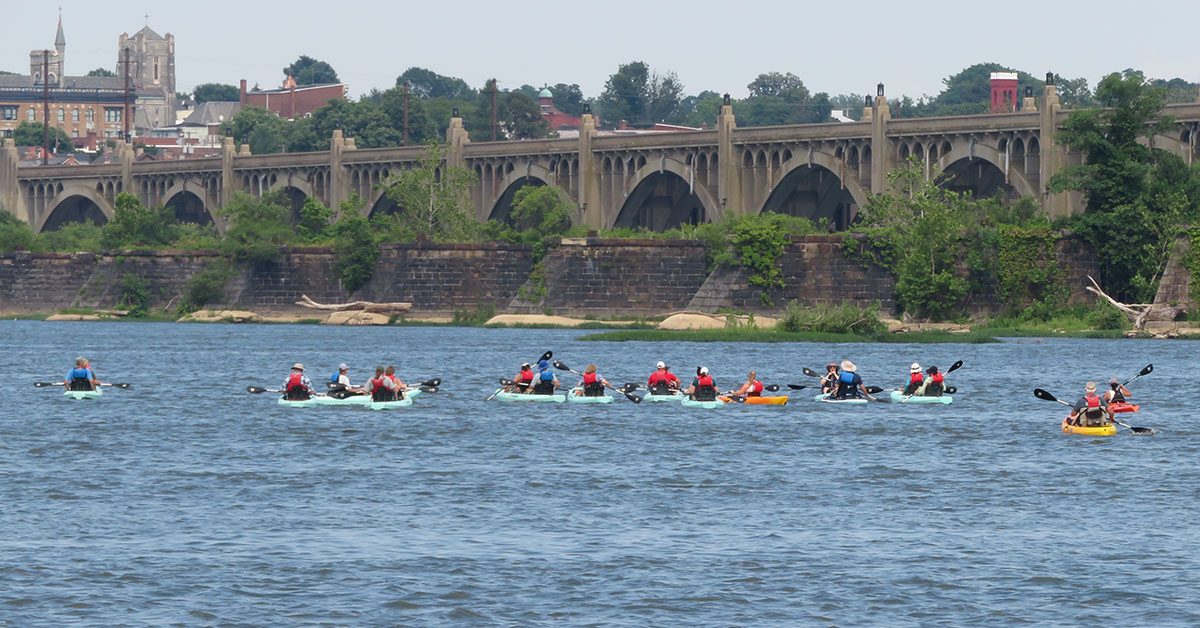
Plan Your Visit Around Riverfest: June 26-28, 2026
Celebrate the Susquehanna River and the communities it connects at Riverfest, a lively, multi-day event (June 26-28, 2026) featuring live music, local food, family-friendly activities, and opportunities to explore the region from a new perspective.